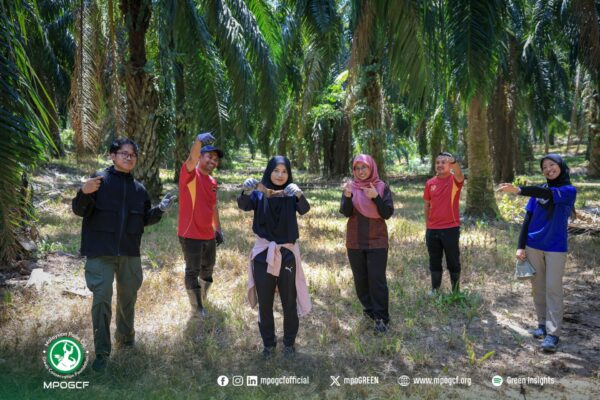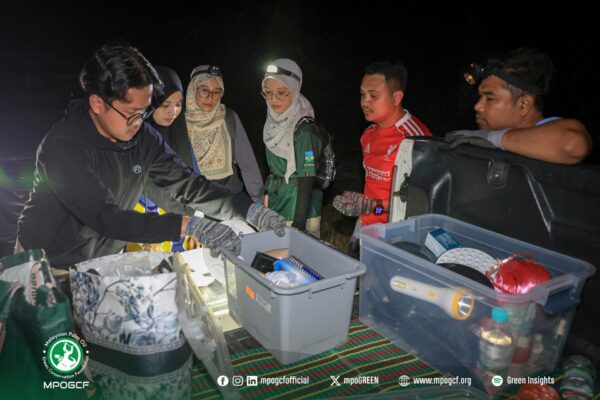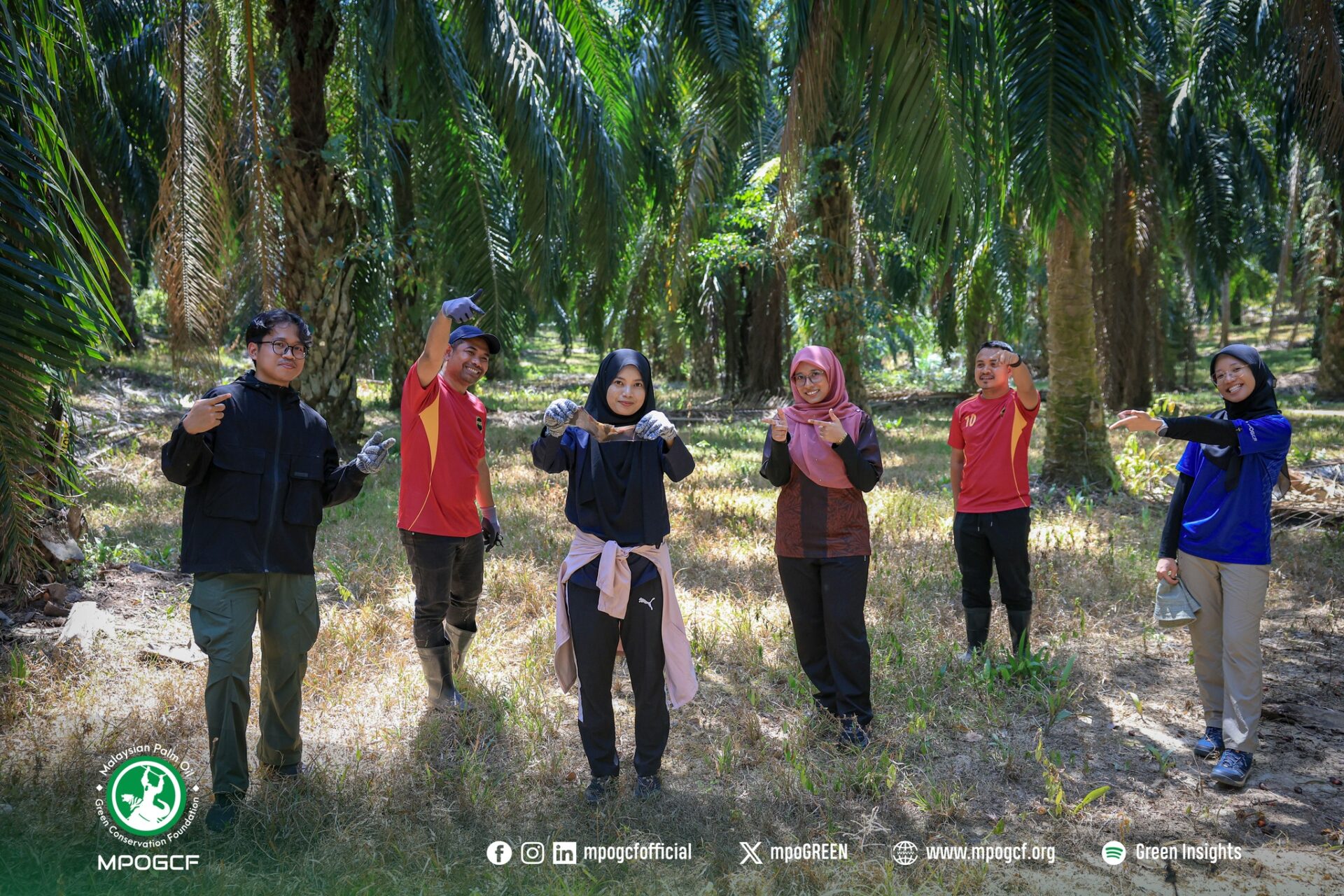
MPOGCF telah menjalankan pemantauan projek kajian di FELDA Bersia, Gerik bagi meninjau kerja lapangan fasa kedua oleh penyelidik UiTM bermula 26 Januari yang lepas.
Kajian selama 3 hari ini melibatkan pemantauan kepelbagaian flora dan fauna di tiga zon ladang sawit iaitu kawasan bersebelahan hutan, kawasan tengah ladang dan kawasan pinggir ladang. Fokus kajian merangkumi epifit dan understory vegetation serta fauna seperti invertebrata, mamalia kecil dan burung.
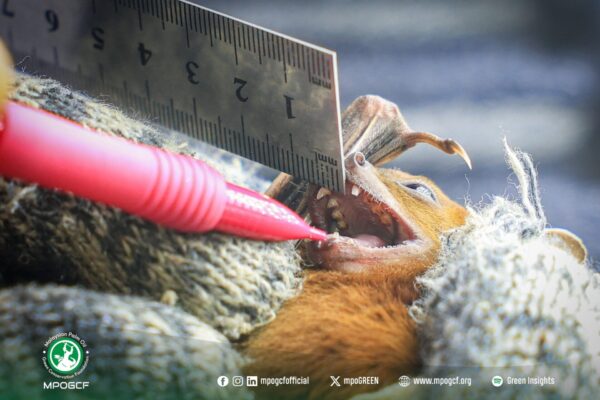
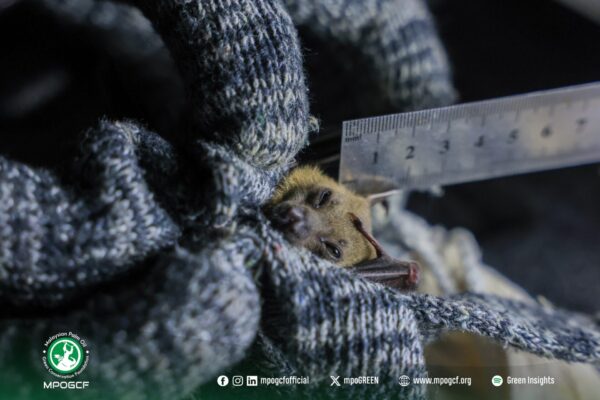
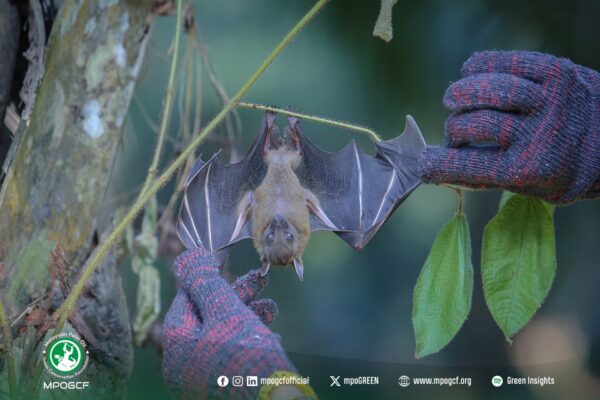
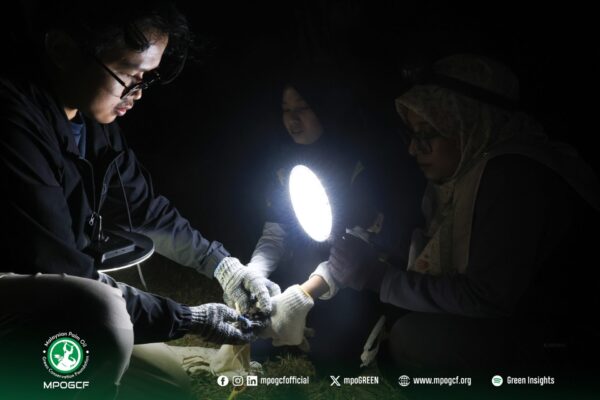
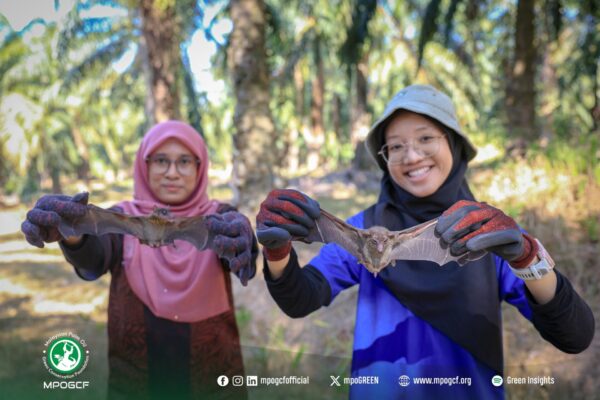
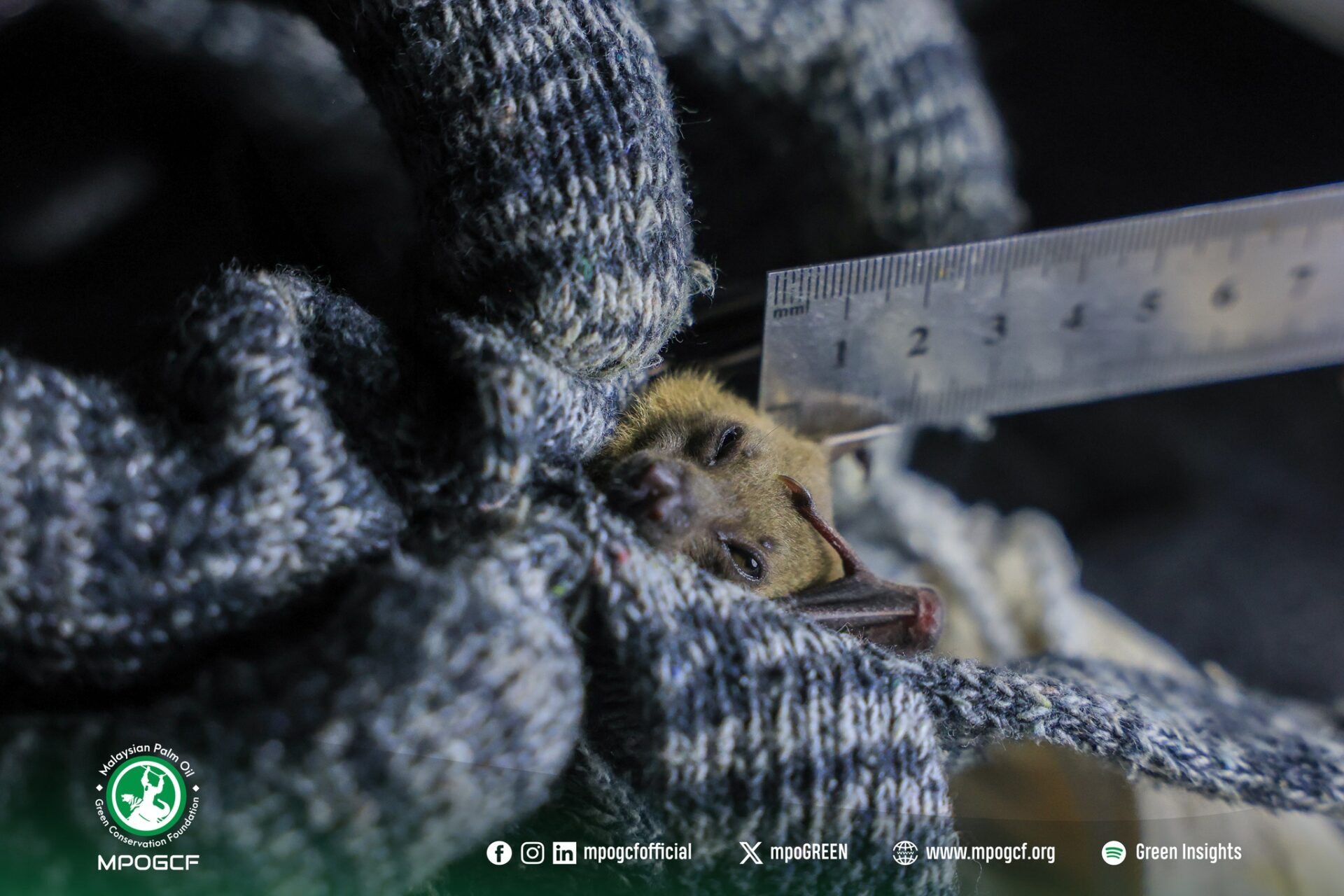
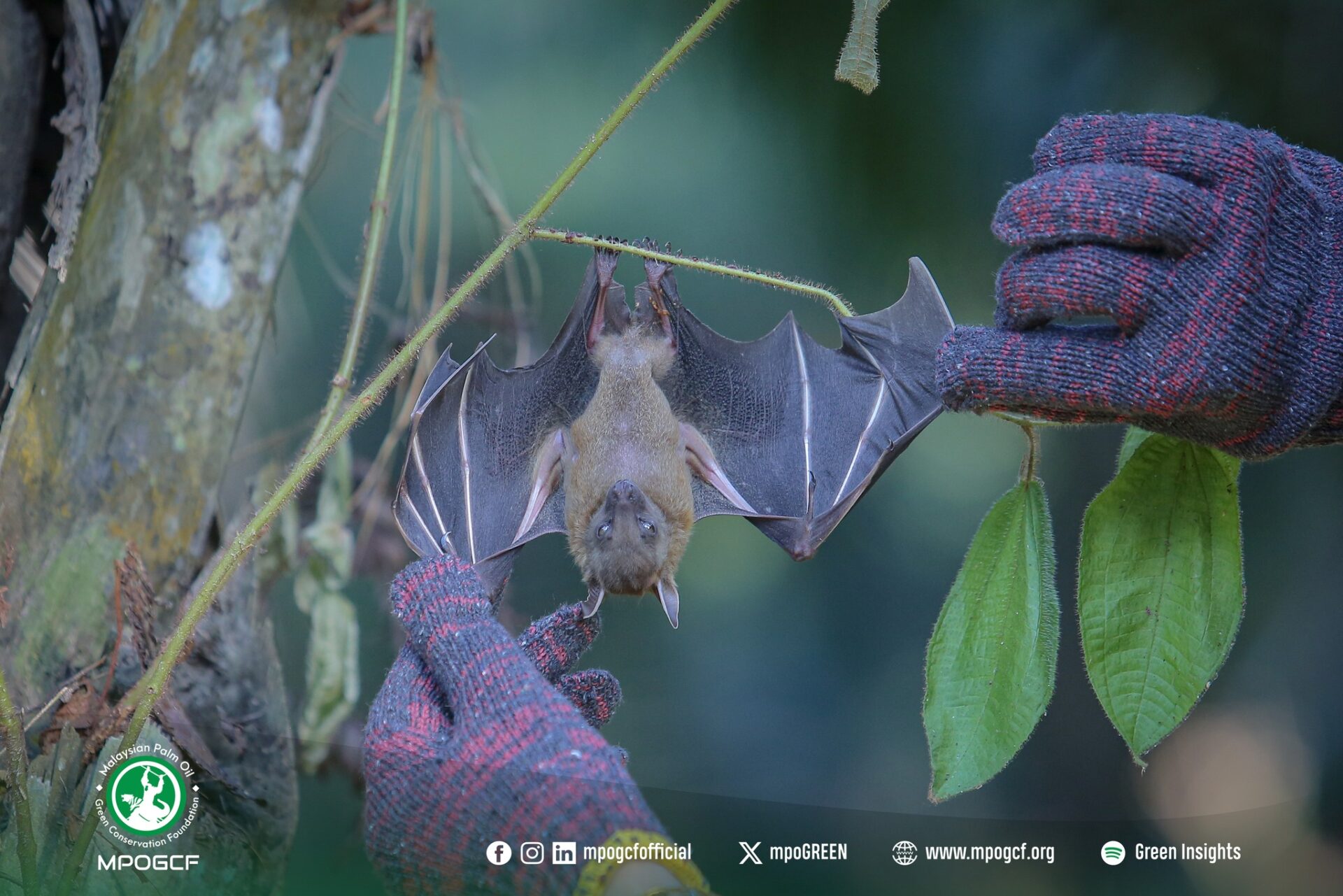
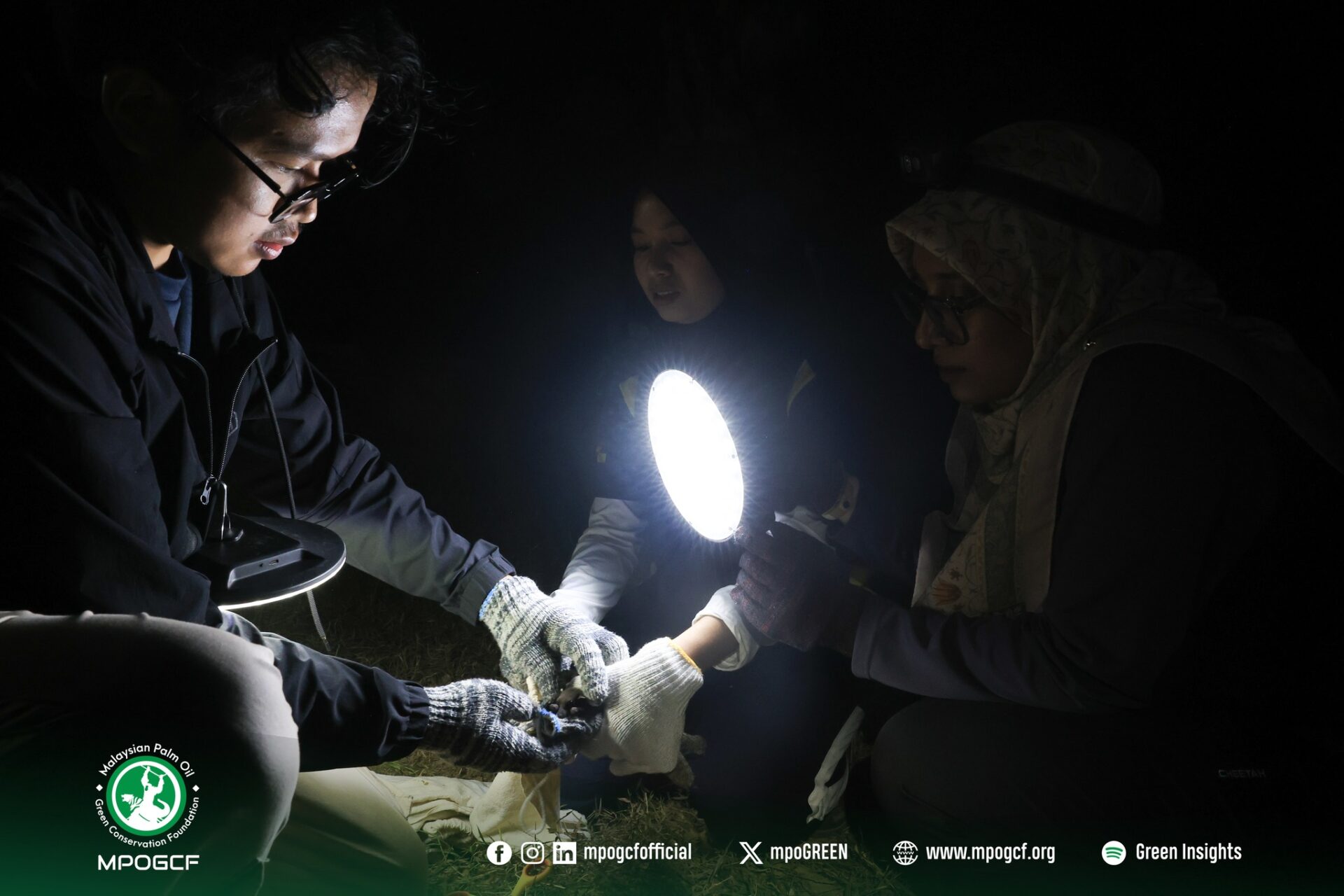
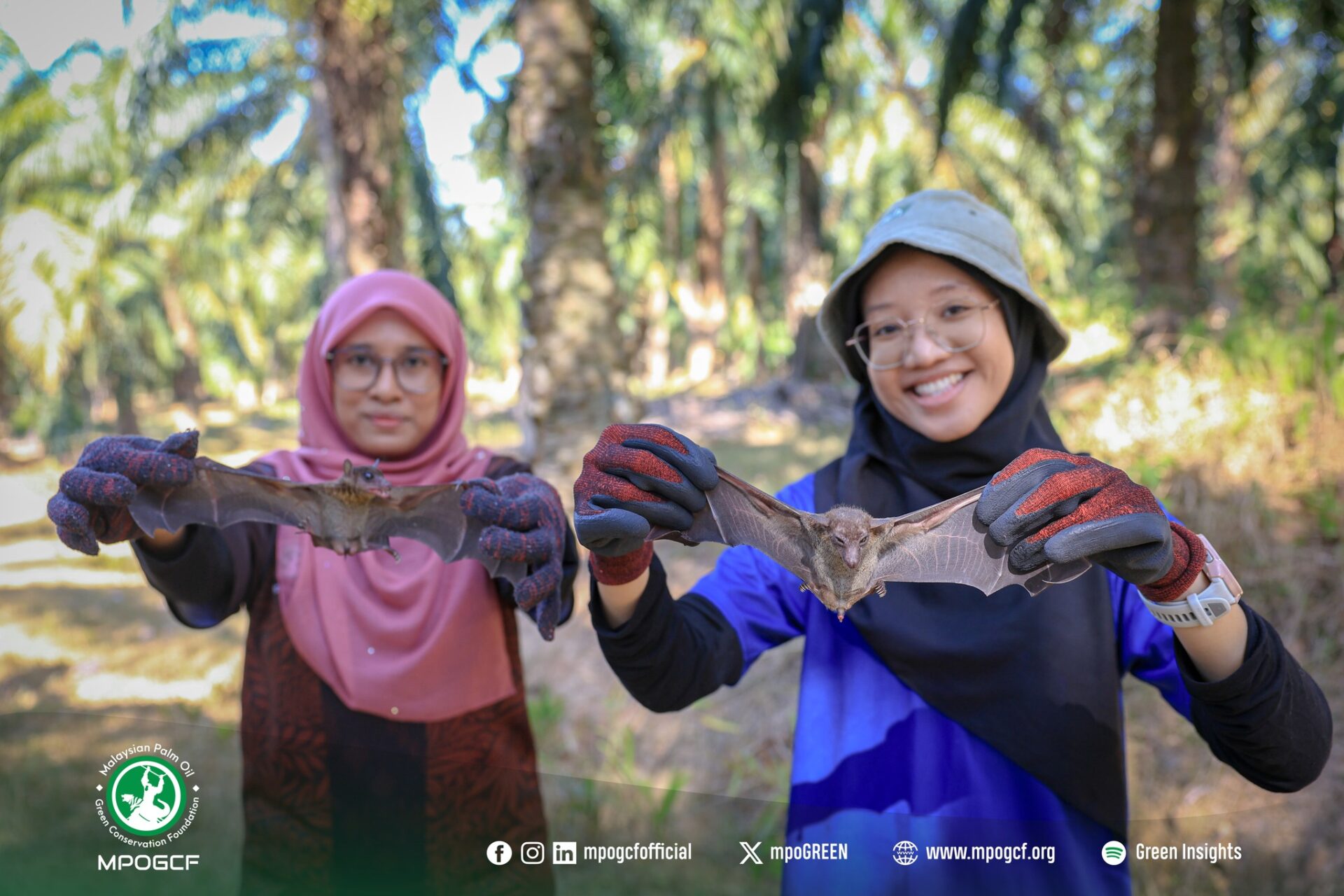
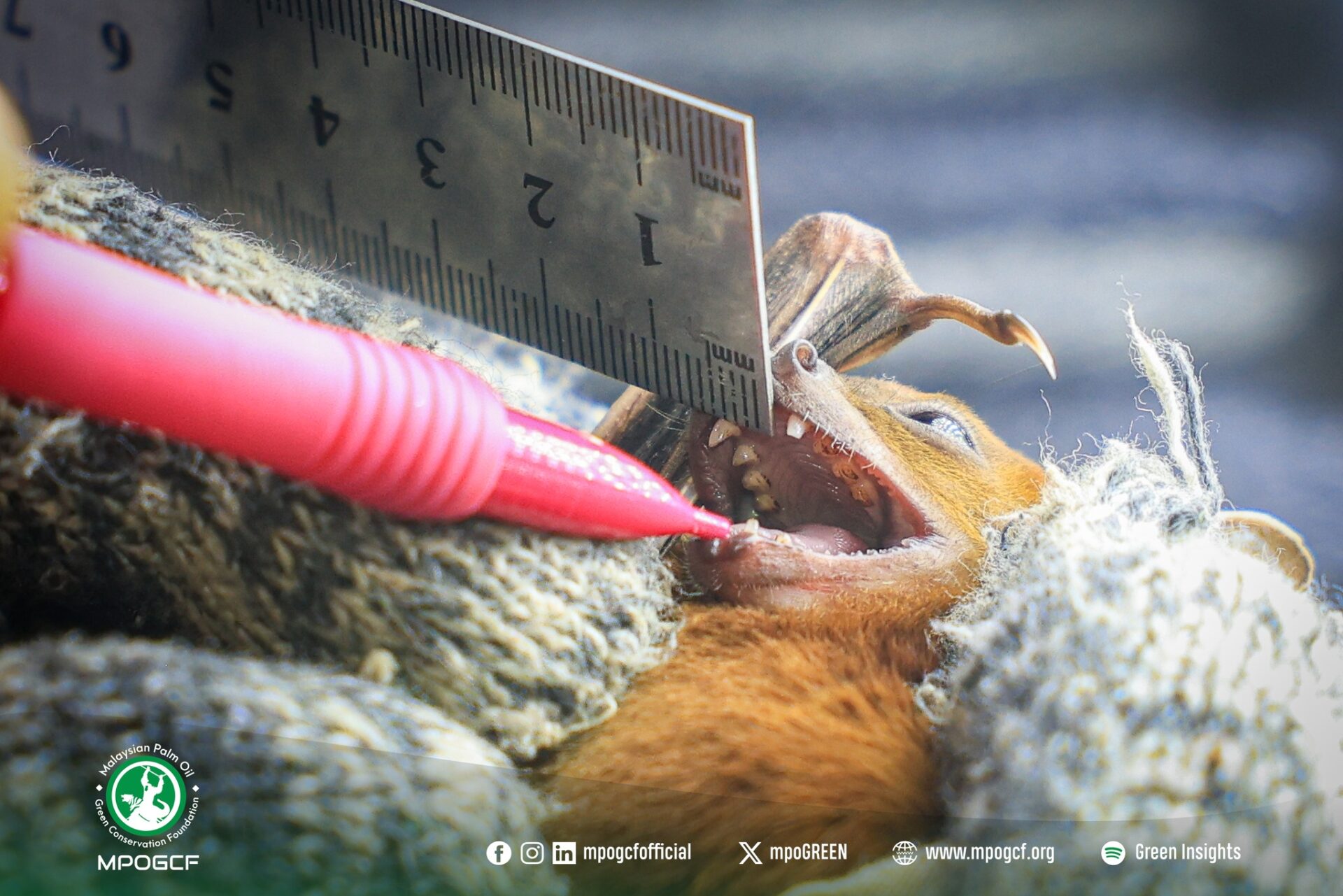
Sepanjang pemantauan, lebih 200 ekor kelawar telah direkodkan, melibatkan tiga spesies kelawar pemakan buah iaitu Horsfield’s Fruit Bat (Cynopterus horsfieldii), Greater Short-nosed Fruit Bat (Cynopterus sphinx) dan Cave Nectar Bat (Eonycteris spelaea).
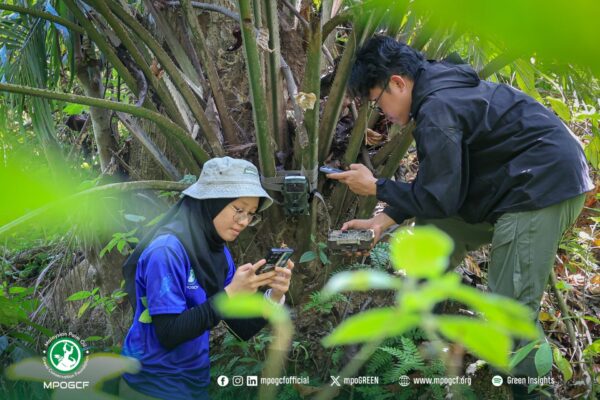
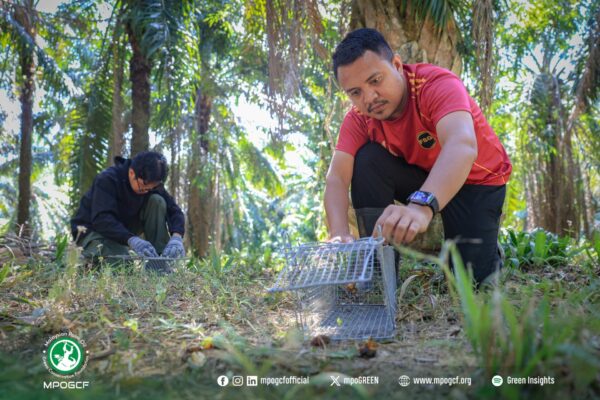
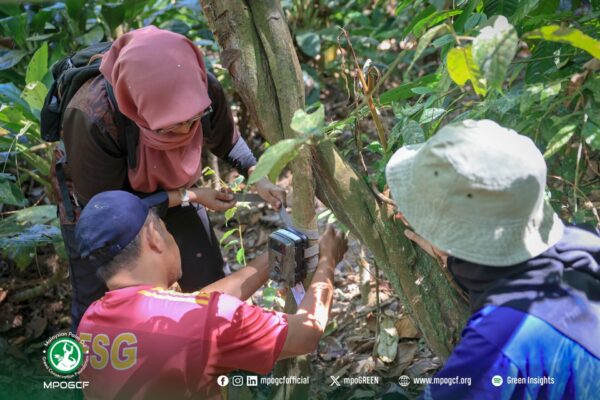
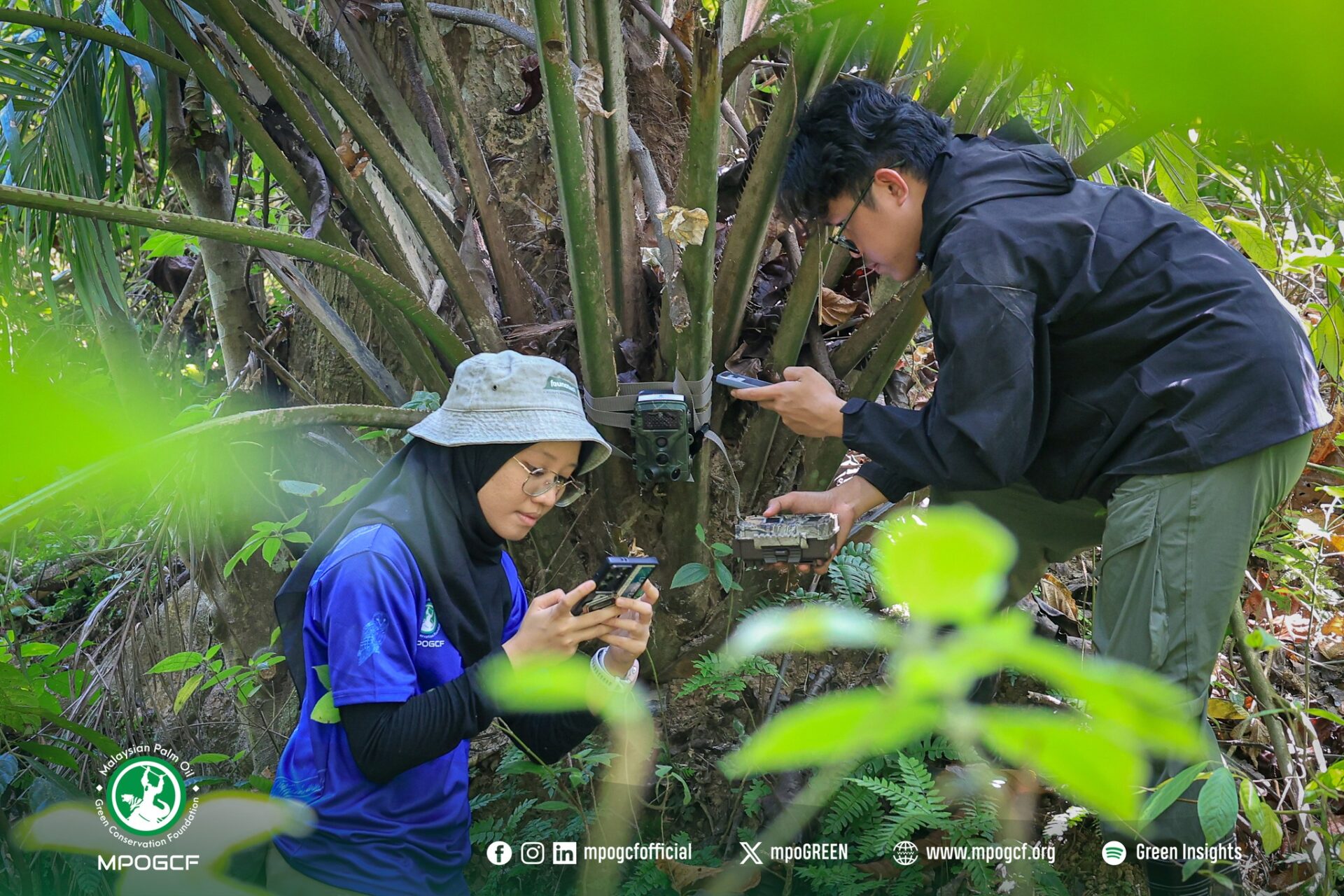
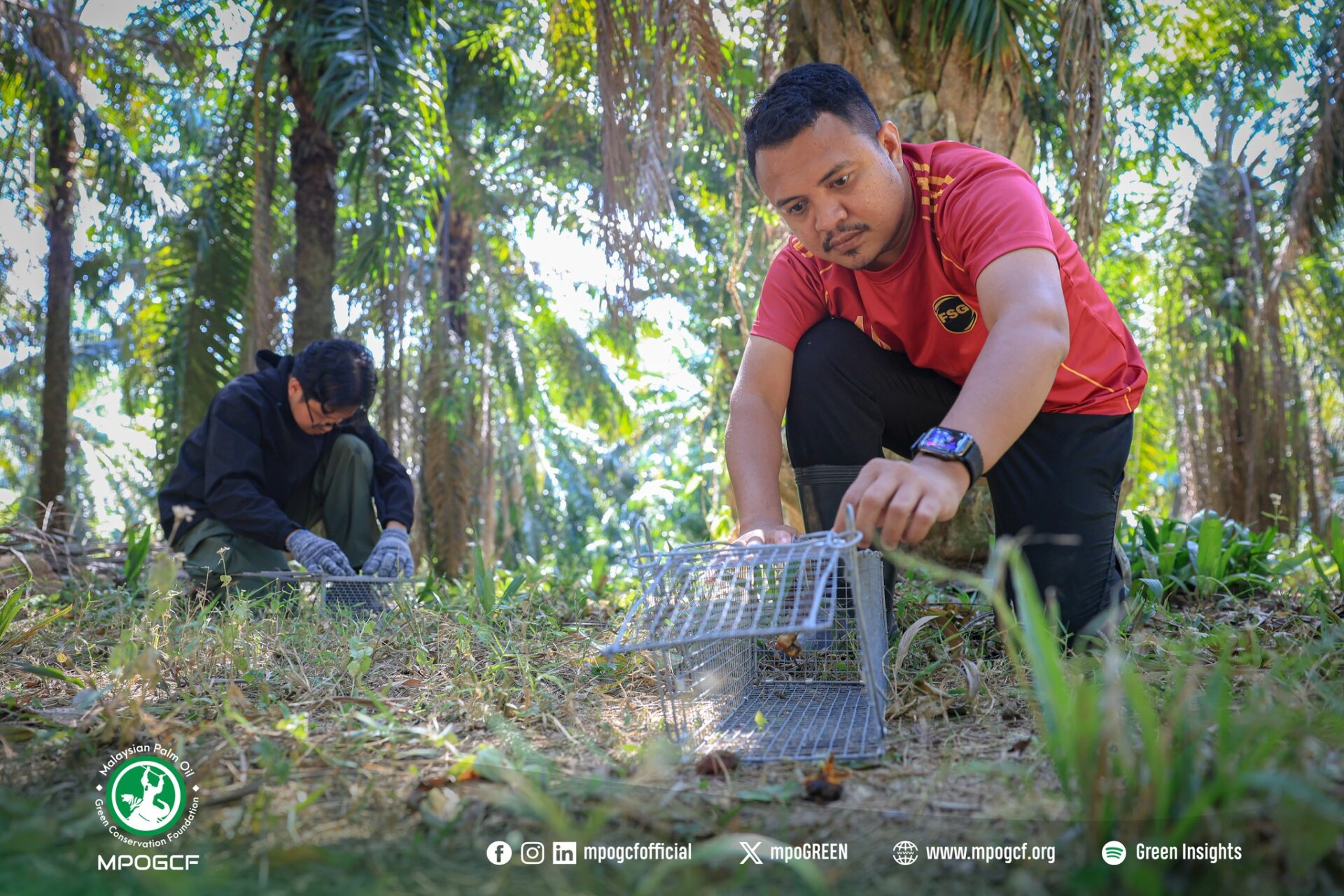
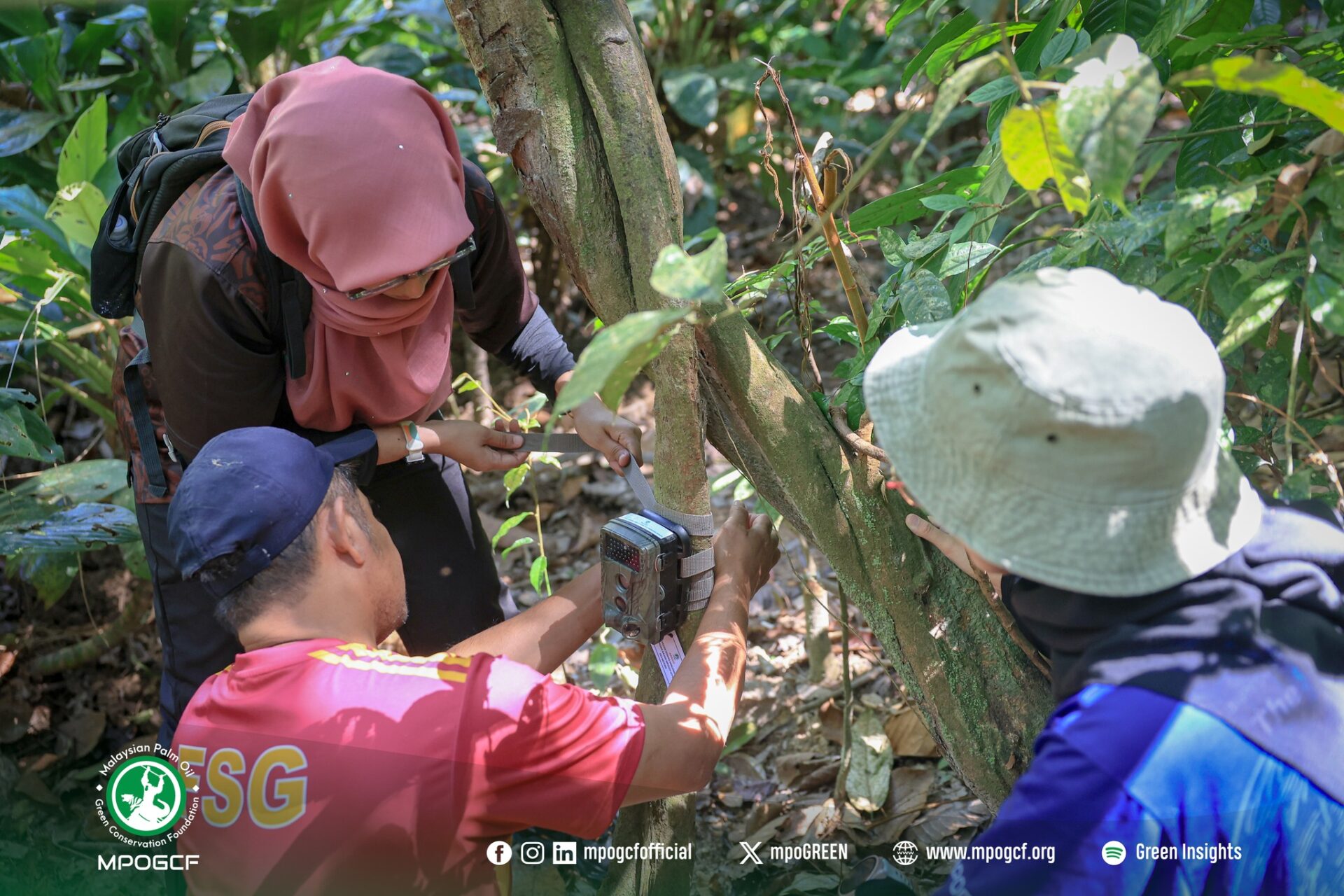
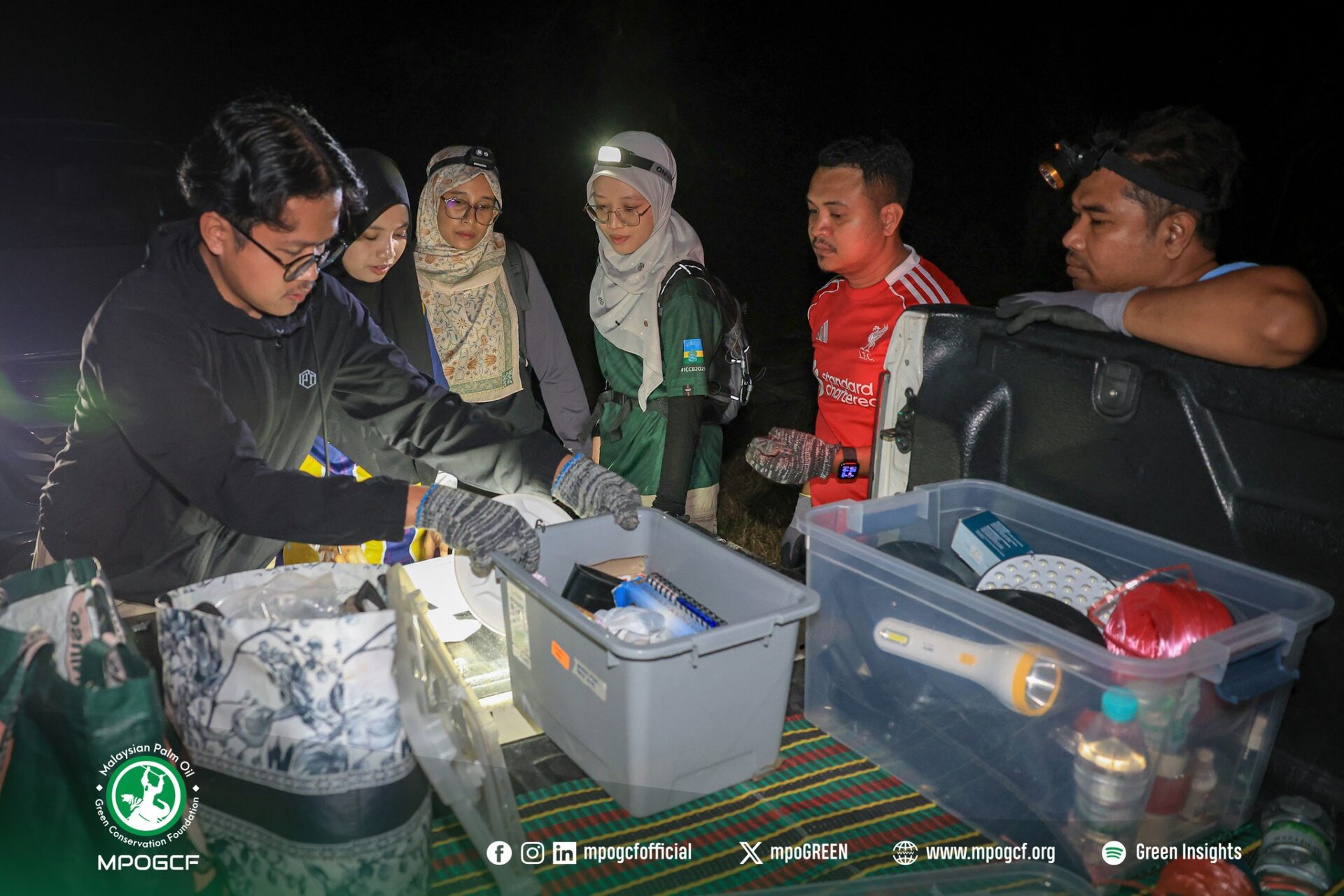
Pelbagai kaedah pensampelan telah digunakan termasuk perangkap kamera, perangkap sangkar dan mist net di ketiga-tiga lokasi kajian.
Selain itu, pemantauan turut merekodkan beberapa spesies burung seperti Blue-eared Kingfisher (Alcedo meninting), Abbott’s Babbler (Malacocincla abbotti) dan Malaysian Blue Flycatcher (Cyornis turcosus). Melalui penggunaan perangkap kamera, kehadiran fauna lain seperti Wild Boar (Sus scrofa) dan Red Junglefowl (Gallus gallus) turut direkodkan.
Dari segi flora, spesies tumbuhan bawah teduhan yang dikenal pasti termasuk Chamber Bitter (Phyllanthus urinaria), Broad-leaf Maidenhair Fern (Adiantum latifolium), dan Forest Diplazium Fern (Diplazium accedens). Manakala spesies epifit yang direkodkan merangkumi Bird’s Nest Fern (Asplenium nidus), Oak Leaf Fern (Drynaria quercifolia) dan Giant Sword Fern (Nephrolepis biserrata).
Kajian ini dijangka dapat menyokong bukti bahawa pengekalan epifit dan understory vegetations dalam ladang sawit berpotensi meningkatkan biodiversiti serta menyokong amalan pertanian yang lebih mampan.
__________________________________
Report by Nur Fatin Amirah Ahmad Amri
Executive, Conservation and Sustainability Department
The Malaysian Palm Oil Green Conservation Foundation (MPOGCF) recently conducted monitoring of a research project at FELDA Bersia, Gerik, to observe the second phase of fieldwork carried out by UiTM researchers, which began on 26 January.
This three-day study involved monitoring the diversity of flora and fauna across three zones of the oil palm plantation: the forest-adjacent area, the central plantation, and the plantation edge. The research focused on epiphytic and understory vegetation, as well as fauna such as invertebrates, small mammals, and birds.
During the monitoring period, more than 200 bats were recorded, representing three fruit-eating species: Horsfield’s Fruit Bat (Cynopterus horsfieldii), Greater Short-nosed Fruit Bat (Cynopterus sphinx), and Cave Nectar Bat (Eonycteris spelaea). Various sampling methods were employed, including camera traps, cage traps, and mist nets across all three research sites.
Several bird species were also recorded, including the Blue-eared Kingfisher (Alcedo meninting), Abbott’s Babbler (Malacocincla abbotti), and Malaysian Blue Flycatcher (Cyornis turcosus). Camera traps additionally captured other wildlife, such as Wild Boar (Sus scrofa) and Red Junglefowl (Gallus gallus).
In terms of flora, identified understory species included Chamber Bitter (Phyllanthus urinaria), Broad-leaf Maidenhair Fern (Adiantum latifolium), and Forest Diplazium Fern (Diplazium accedens). Recorded epiphytic species included Bird’s Nest Fern (Asplenium nidus), Oak Leaf Fern (Drynaria quercifolia), and Giant Sword Fern (Nephrolepis biserrata).
This study is expected to provide evidence that the conservation of epiphytic and understory vegetation within oil palm plantations can enhance biodiversity and support more sustainable agricultural practices.