The Malaysian Palm Oil Green Conservation Foundation (MPOGCF) is stepping up efforts to integrate biodiversity conservation into oil palm plantation management, with the aim of strengthening wildlife coexistence within production landscapes.
Conservation and sustainability department manager Ahmad Shahdan Kasim said plantations, forests and wildlife should be managed as part of a connected landscape rather than as separate systems.
Such an approach, he explained, would allow plantations to remain productive while improving ecological connectivity and reducing human-wildlife conflict.
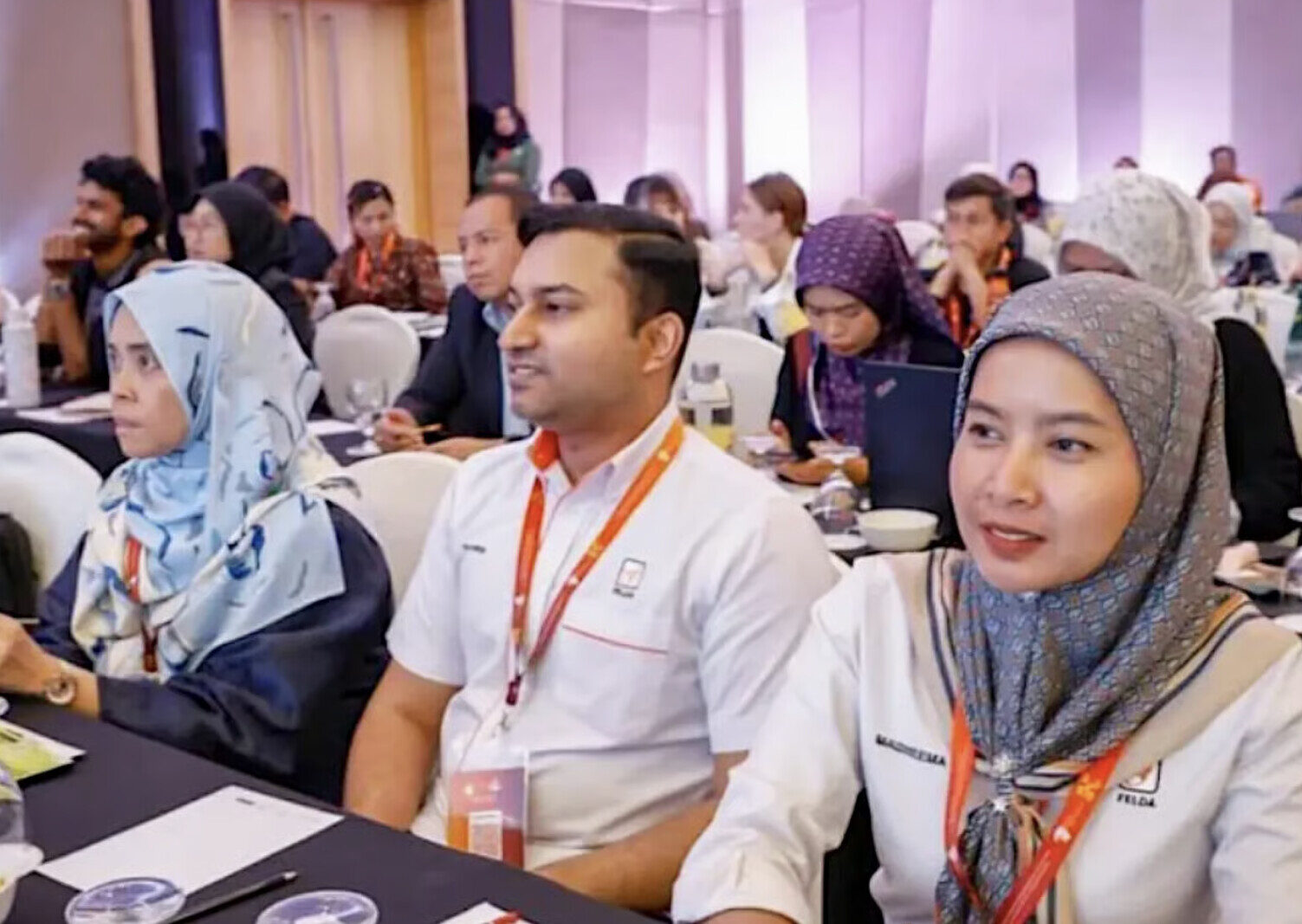
“When biodiversity is integrated into plantation planning, coexistence becomes more practical, while operational safety and livelihoods are maintained,” he said at MPOGCF’s Biodiversity Forum recently.
Ahmad Shahdan noted that rising human-wildlife conflict requires coordinated management involving plantation estates, smallholders and relevant agencies, as workers and wildlife increasingly share the same landscape.
MPOGCF, which was established in 2021, continues the conservation work initiated under the Malaysian Palm Oil Wildlife Conservation Fund in 2006. It has since implemented 29 projects involving government agencies, universities, NGOs and industry players.
The projects span four key areas: reforestation, wildlife conservation, biodiversity management and community engagement. Initiatives include forest restoration, wildlife corridor development, species monitoring, rescue operations and coexistence programmes.
Among them is a habitat restoration project in the Lower Kawag area of the Ulu Segama-Malua Forest Reserve in Lahad Datu, Sabah, carried out in collaboration with the Kampung Tampenau community. Field observations have recorded the return of orangutans to restored areas.
In Sarawak, MPOGCF has undertaken peatland rehabilitation projects, restoring previously unproductive oil palm areas into functioning peat ecosystems that support biodiversity while enhancing carbon storage.
Research conducted near the Binsulok-Padas Forest Reserve in Sabah using 30 camera traps has also recorded endangered species moving through forest corridors and buffer zones within oil palm landscapes.
The foundation has also supported the Central Forest Spine Master Plan through the restoration of a 10-ha forest reserve in Machang, Kelantan, which had previously been converted into oil palm plantations.
Ahmad Shahdan said riparian reserves, forest edges and peat zones should be viewed as biodiversity infrastructure, and supported by data sharing between estates and smallholders to improve land management decisions.
He added that studies conducted with Universiti Kebangsaan Malaysia had helped translate biodiversity findings into practical plantation guidelines, including maintaining understorey vegetation, native tree species and edge habitats while ensuring operational safety.
According to him, recording wildlife sightings and conflict incidents can help identify hotspots early, improve mitigation planning and strengthen reporting requirements under the Malaysian Sustainable Palm Oil and Roundtable on Sustainable Palm Oil certification schemes.
Furthermore, MPOGCF has supported a community-based human-elephant conflict programme in Sungai Ara, Johor, involving smallholders. The initiative includes early warning systems, electric fencing and response protocols.
Ahmad Shahdan said the programme demonstrated that coexistence requires both conservation planning and practical risk management on the ground.
The foundation has supported elephant and orangutan population surveys in Sabah and worked with the Wildlife Rescue Unit, now known as the Elephant Management Unit, which has carried out more than 5,000 wildlife conflict operations.
It also collaborates with the wildlife and national parks department on Malayan tiger conservation programmes and with the Borneo Sun Bear Conservation Centre on response efforts.
Moving forward, MPOGCF plans to expand landscape monitoring, increase smallholder participation, and scale up restoration efforts involving reforestation, peat rehabilitation and wildlife corridor recovery.
“The goal is to manage landscapes where people, oil palm, forests and wildlife can coexist,” he said.
This article originally appeared in the New Straits Times, with rights to be republished on Free Malaysia Today.