Laporan oleh Dr. Nur Fatin Khodri, Eksekutif Pemuliharaan dan Kemampaman
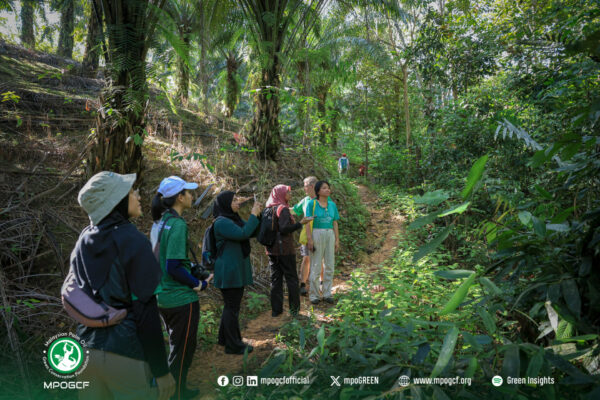
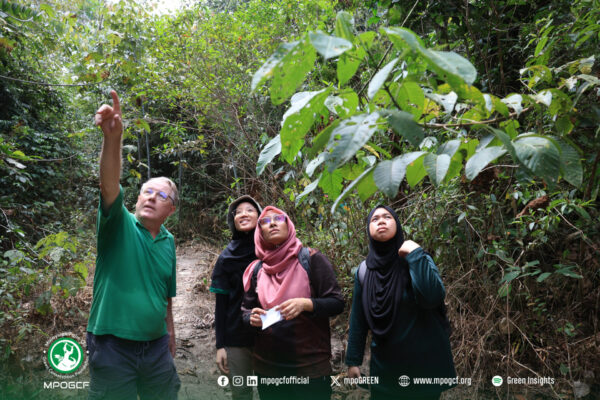
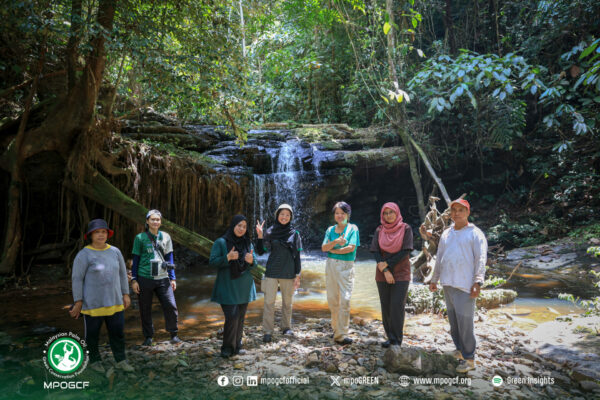
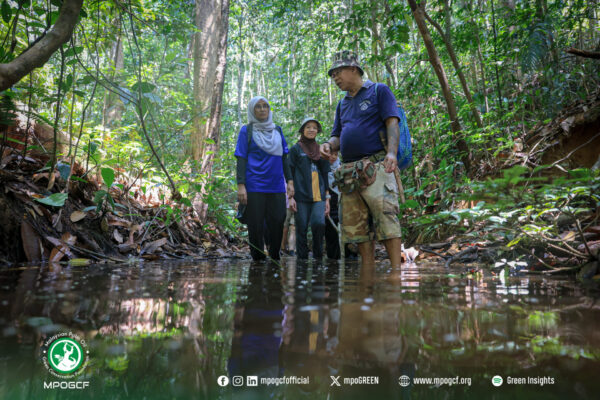
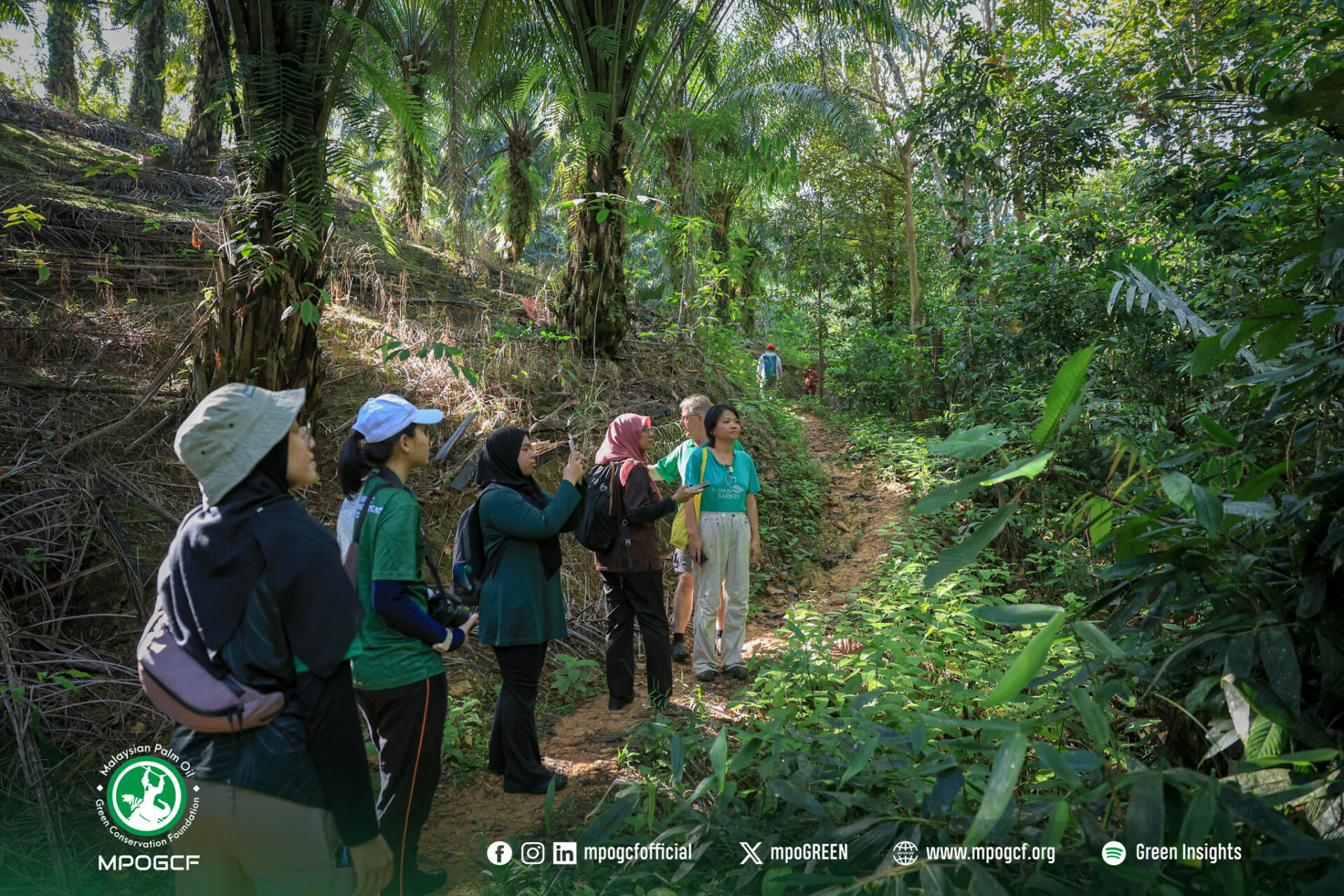
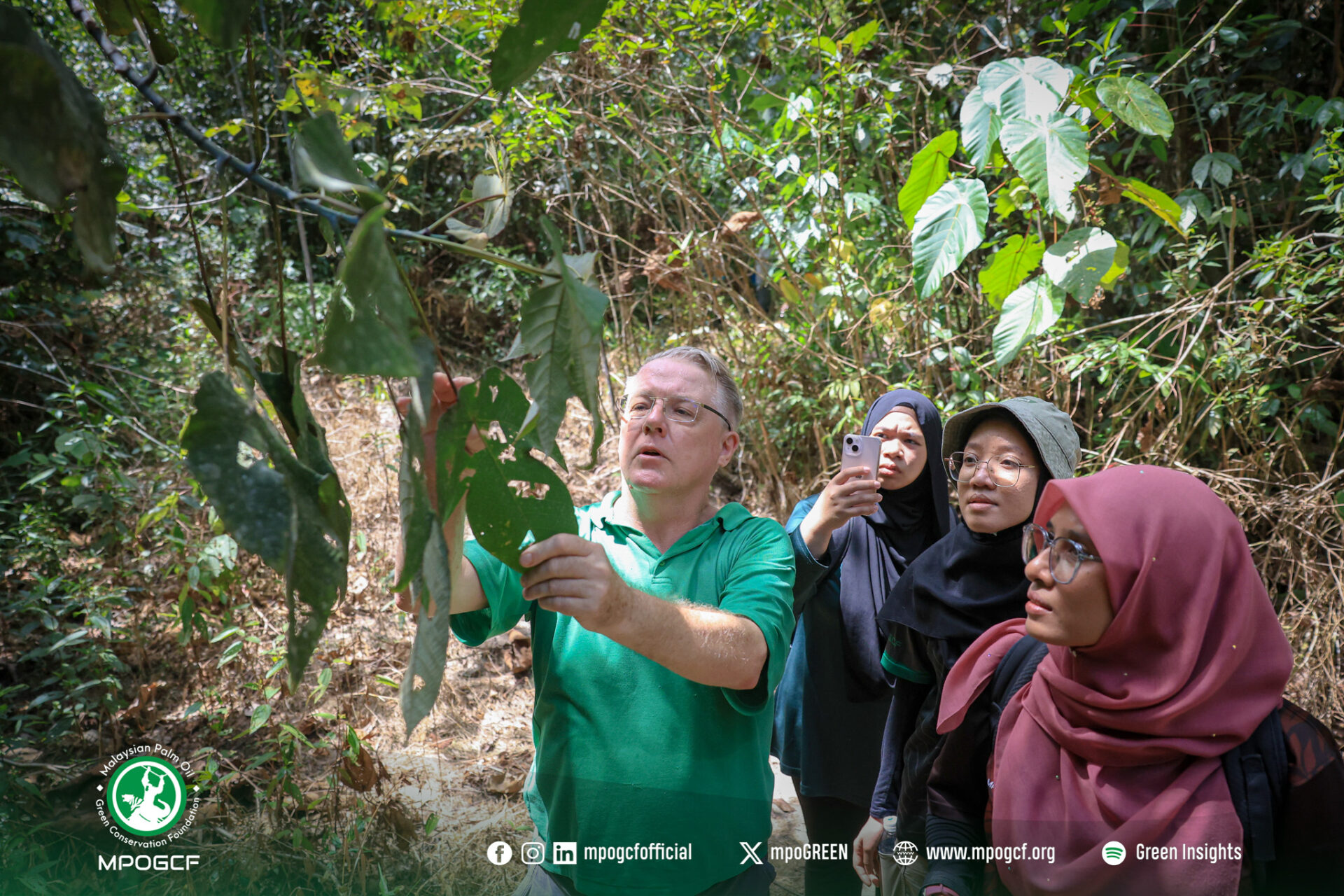
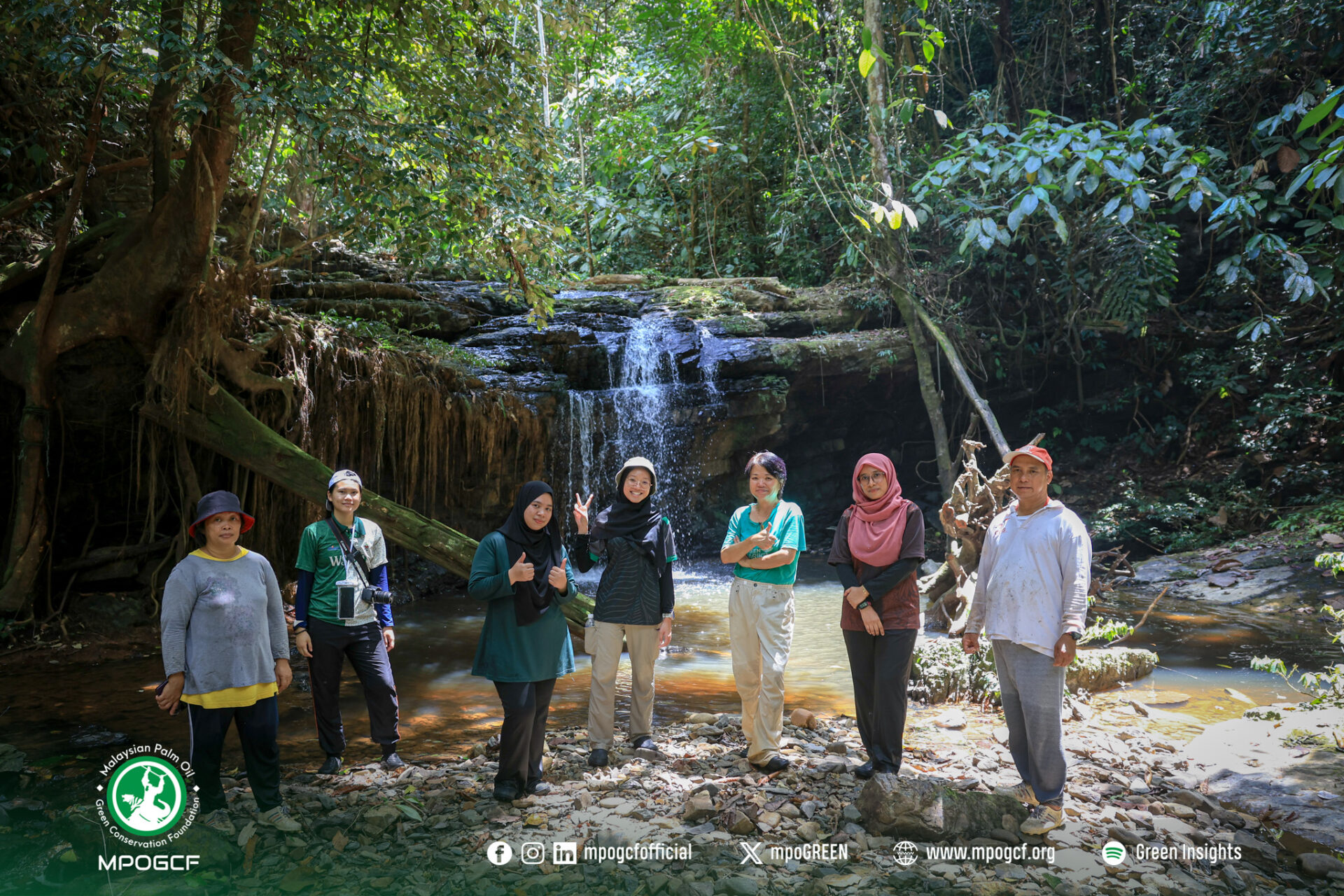
MPOGCF telah mengadakan lawatan kerja bagi Projek ”Forest Fragment Mosaics within Small-scale Oil Palm Plantations Function as Native Plant Species’ Refugia” di Ulu Sarikei dan Debak, Sarawak pada 30 Mac hingga 1 April 2026. Lawatan ini turut dihadiri oleh Prof. Dr. Wong Sin Yeng dan Gina Elisa Kyntha Anak Richard dari Institut Kepelbagaian Biologi dan Pemuliharaan Alam Sekitar (IBEC) UNIMAS, yang memberikan panduan pakar dalam pengenalpastian spesies dan penilaian habitat.
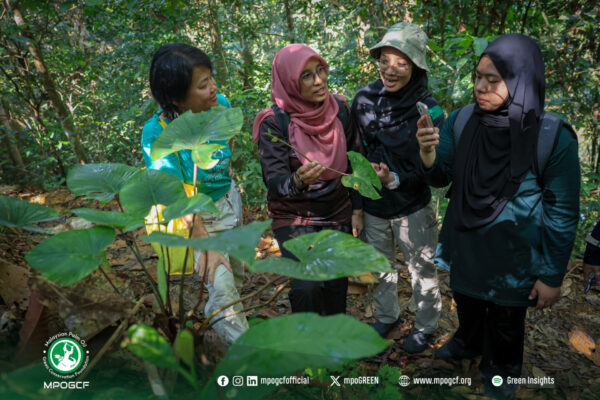
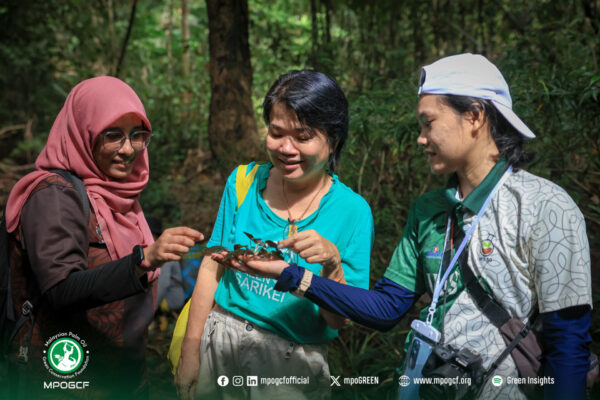
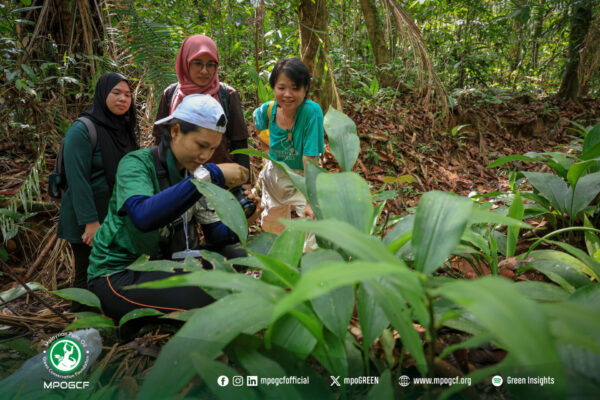
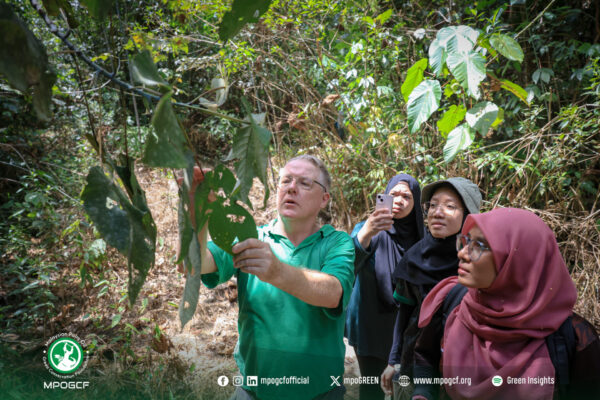
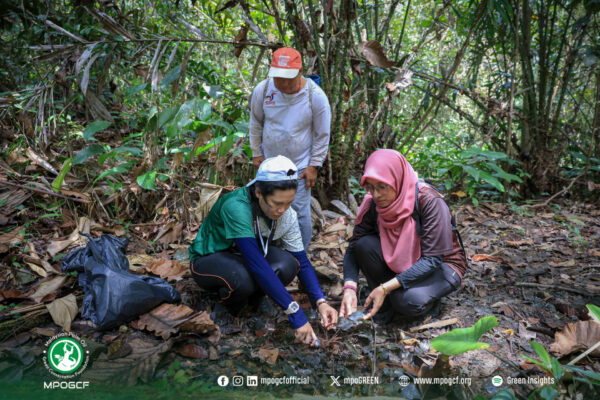
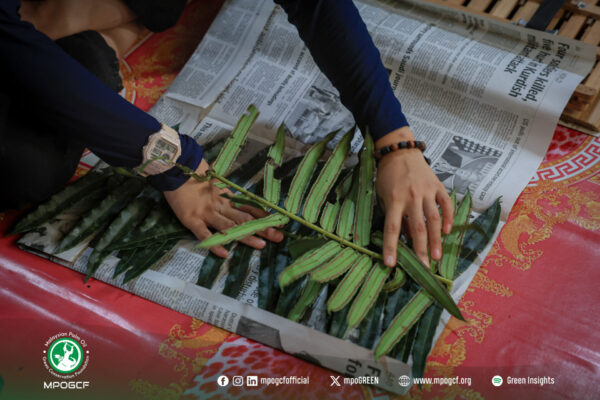
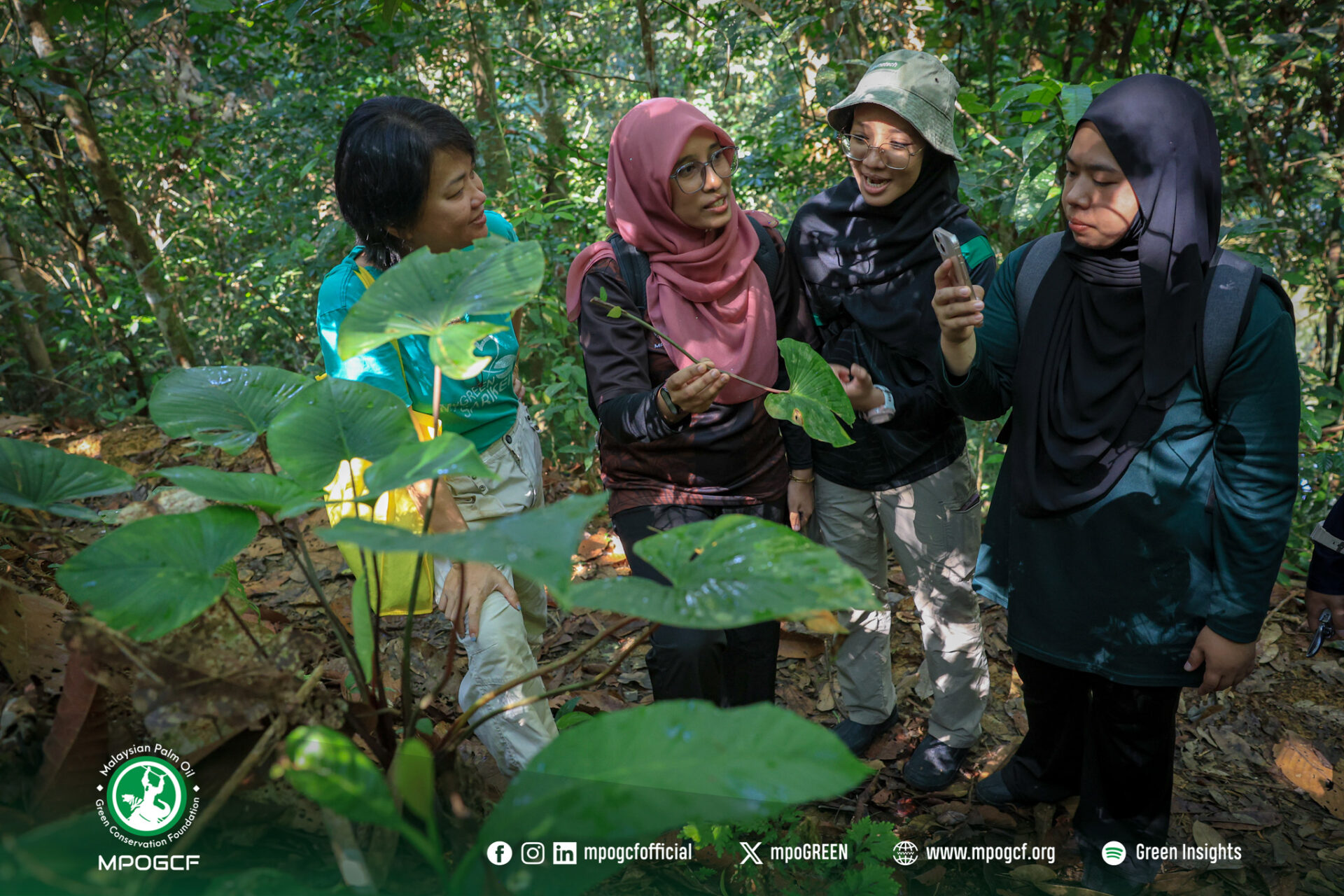
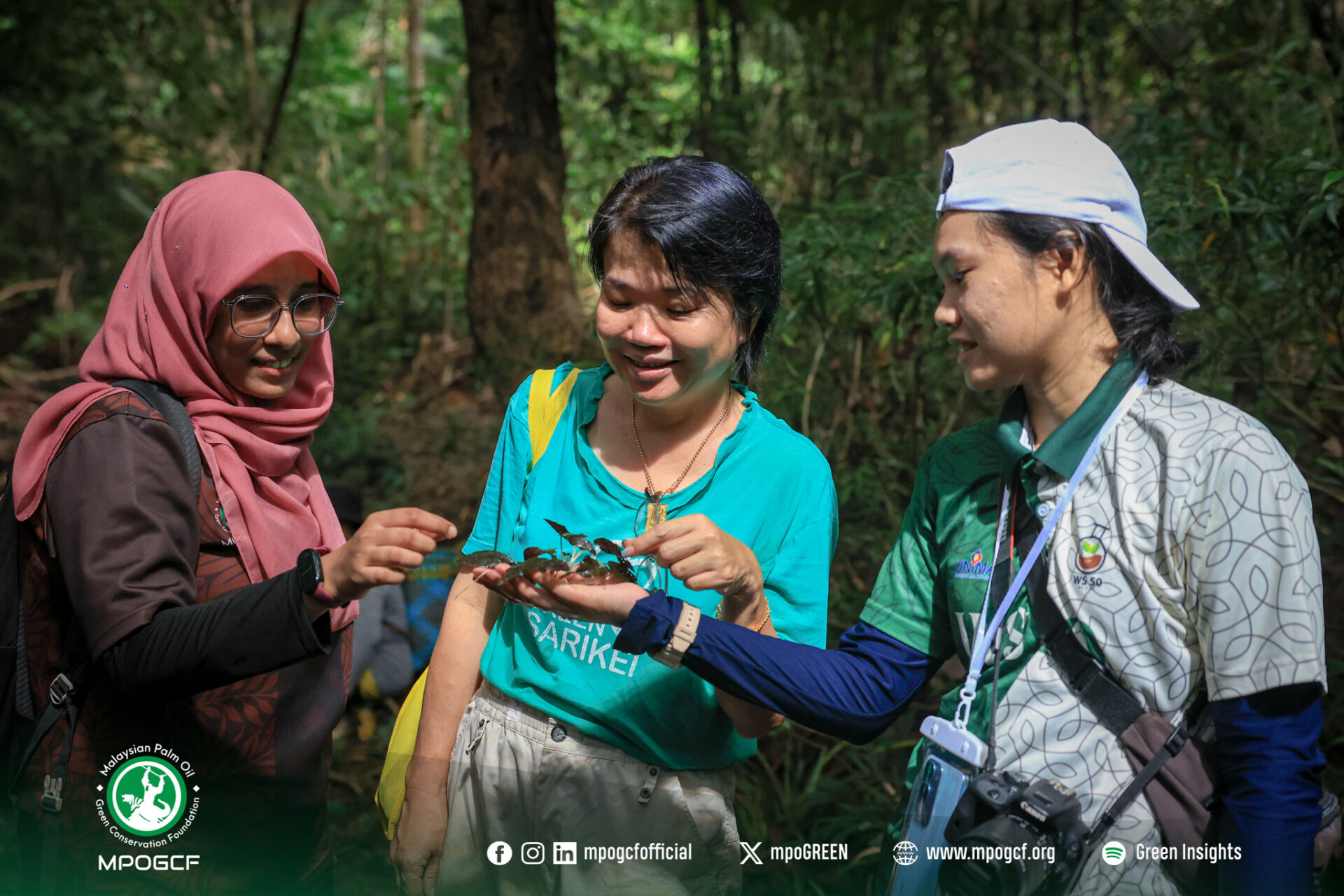
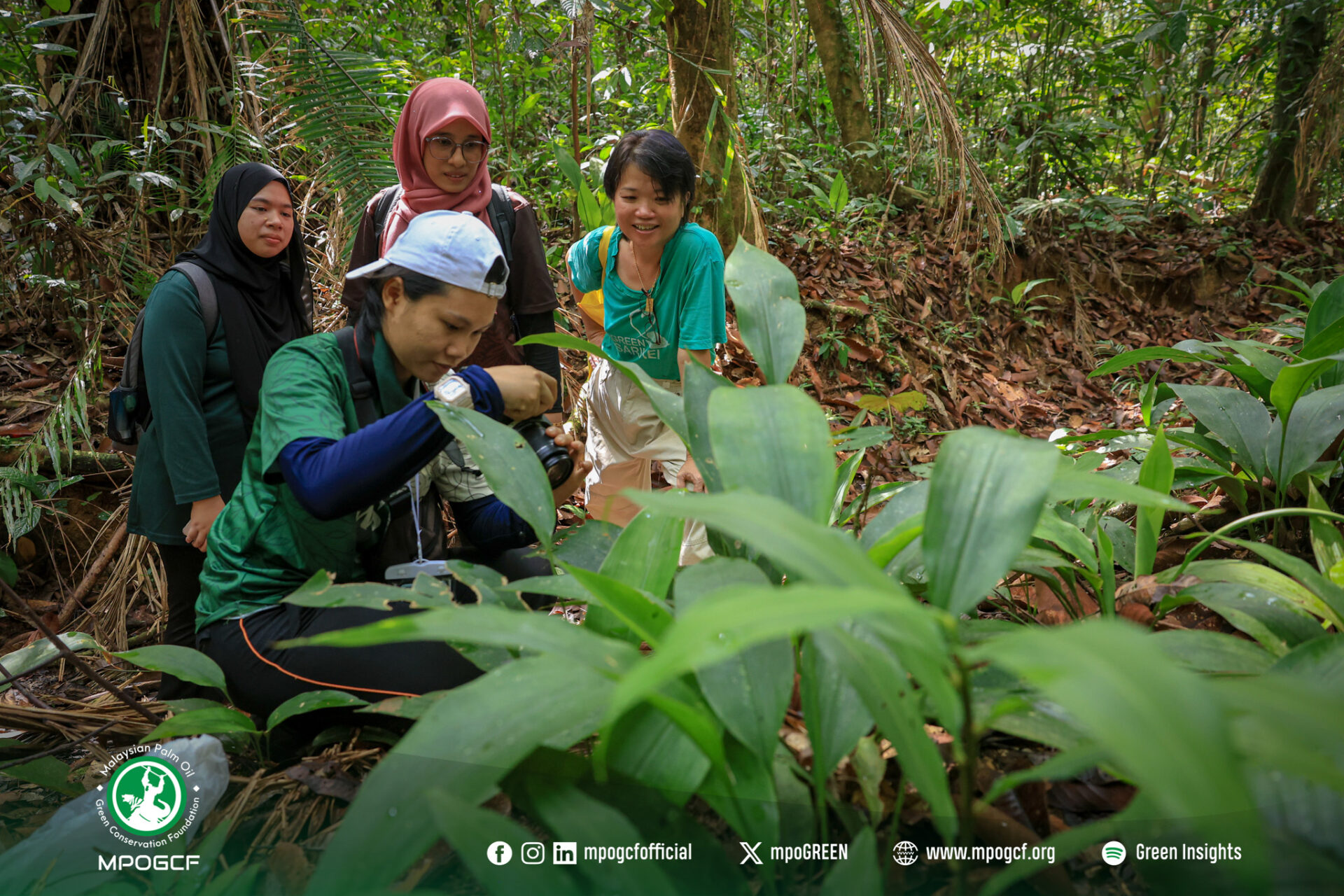
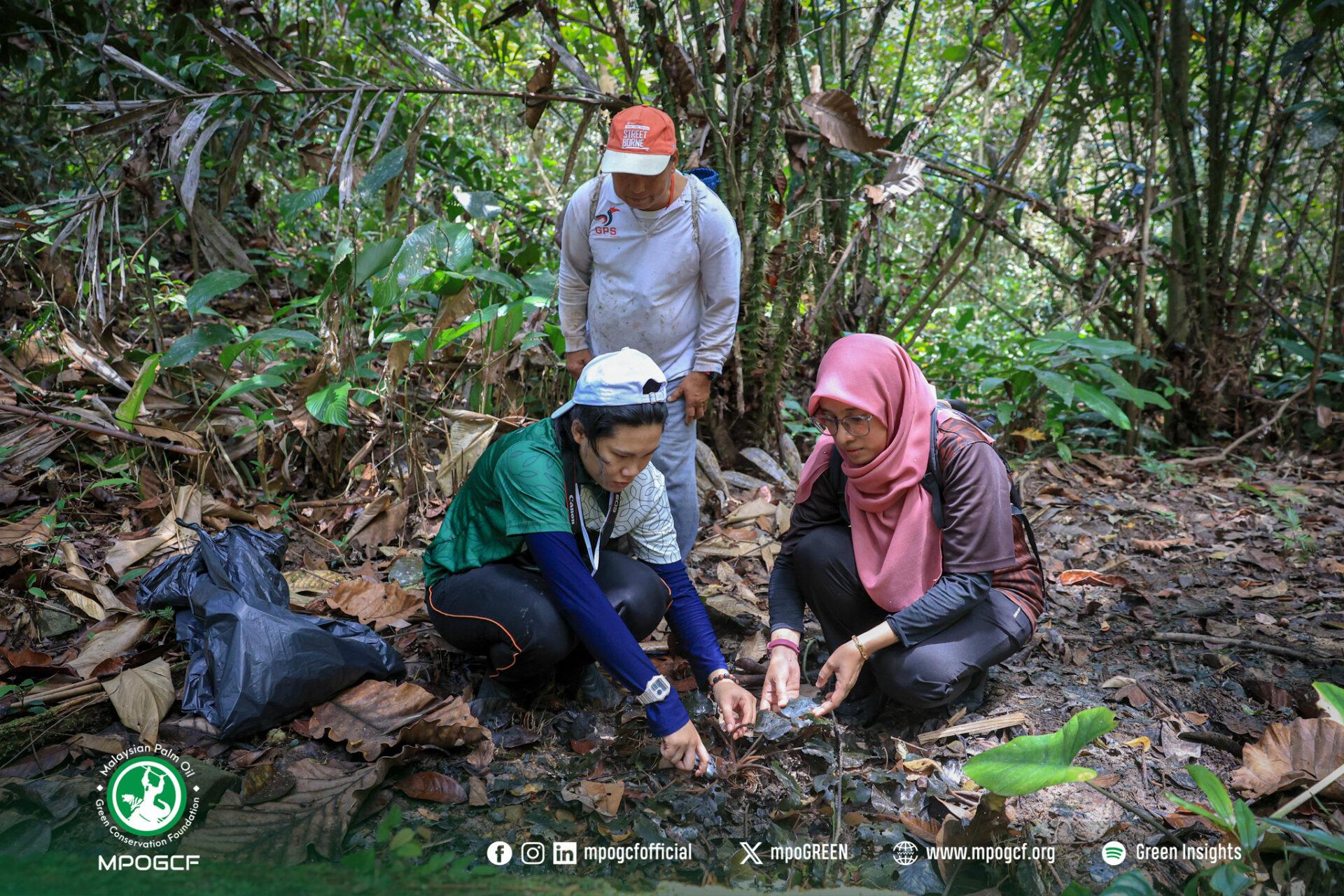
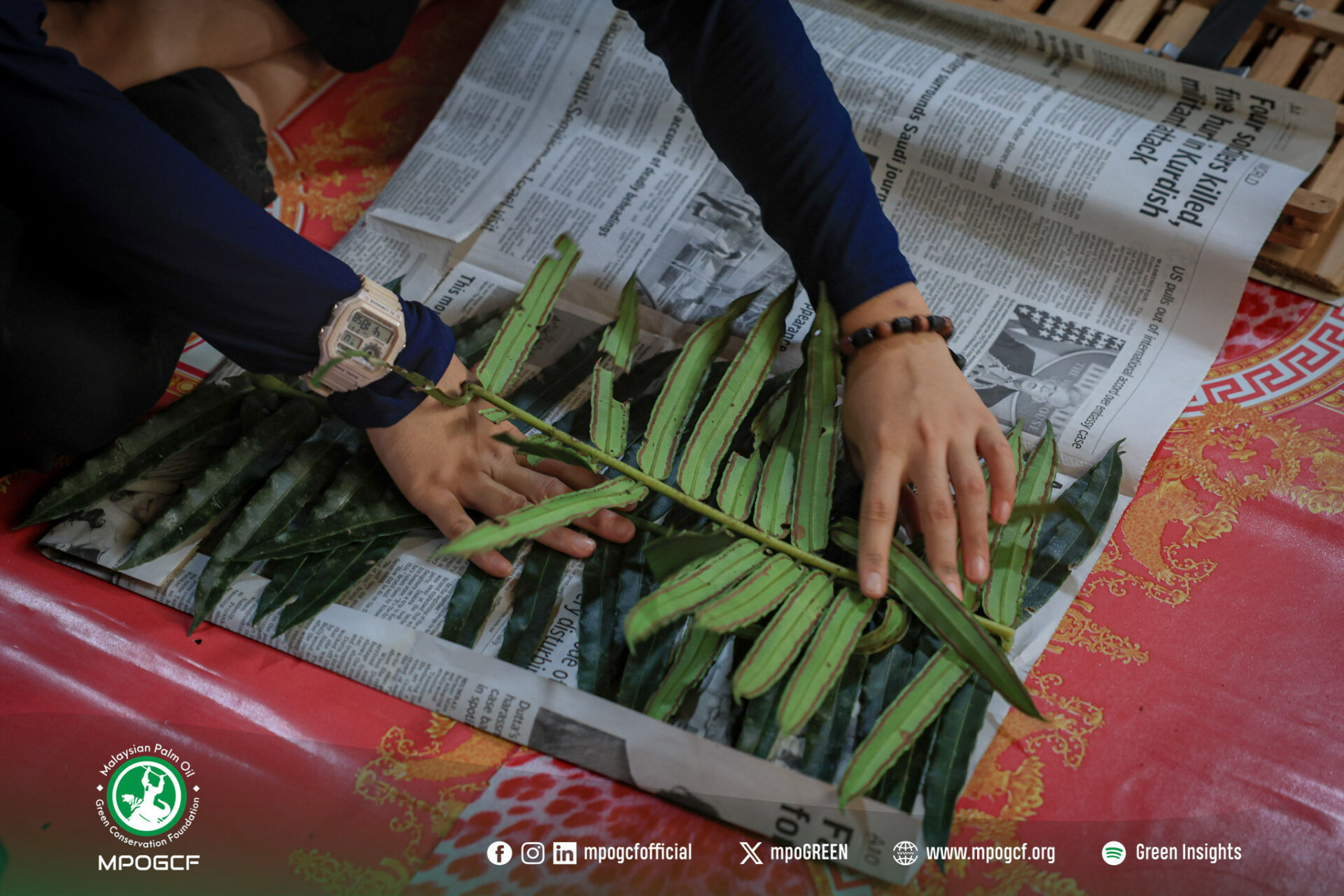
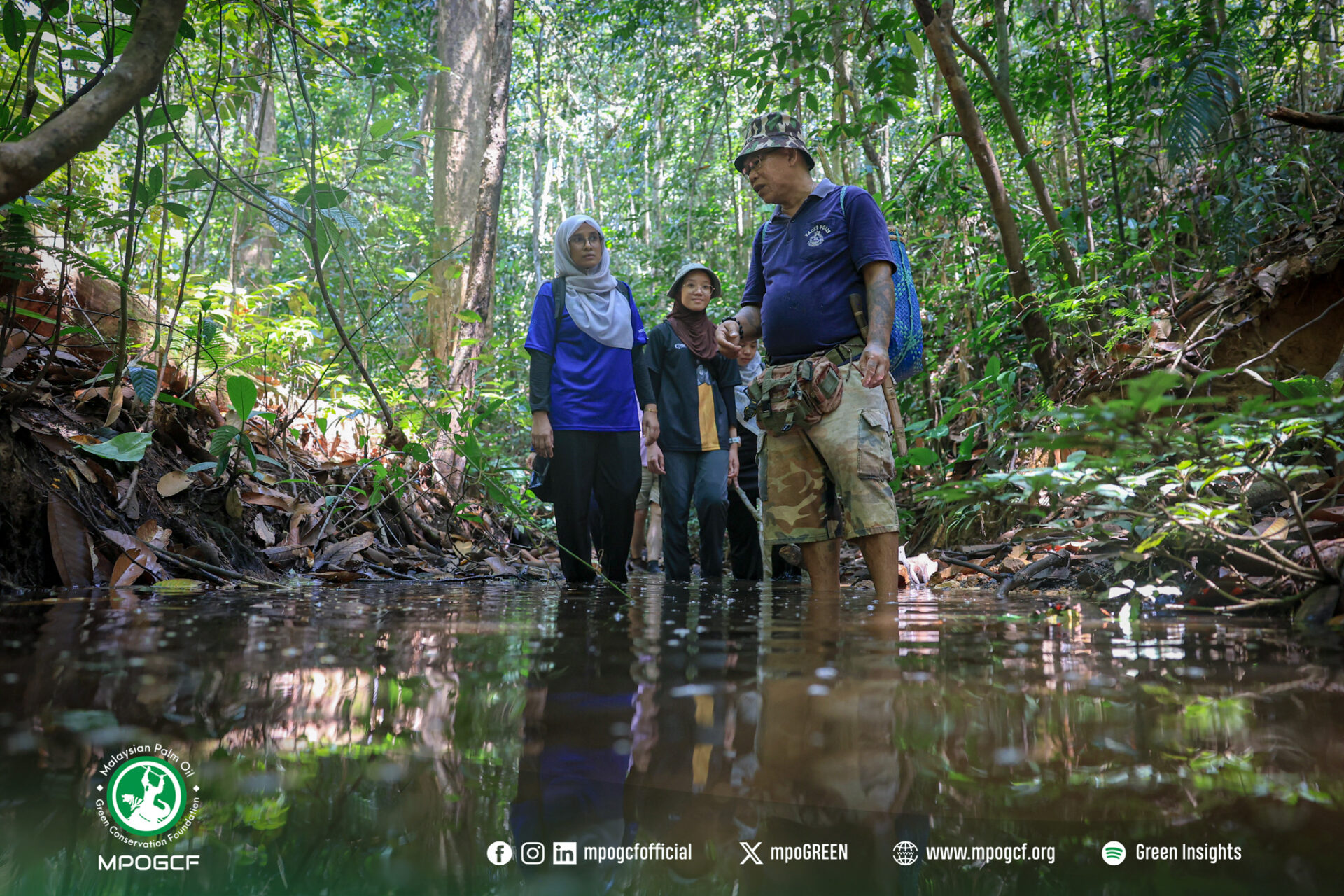
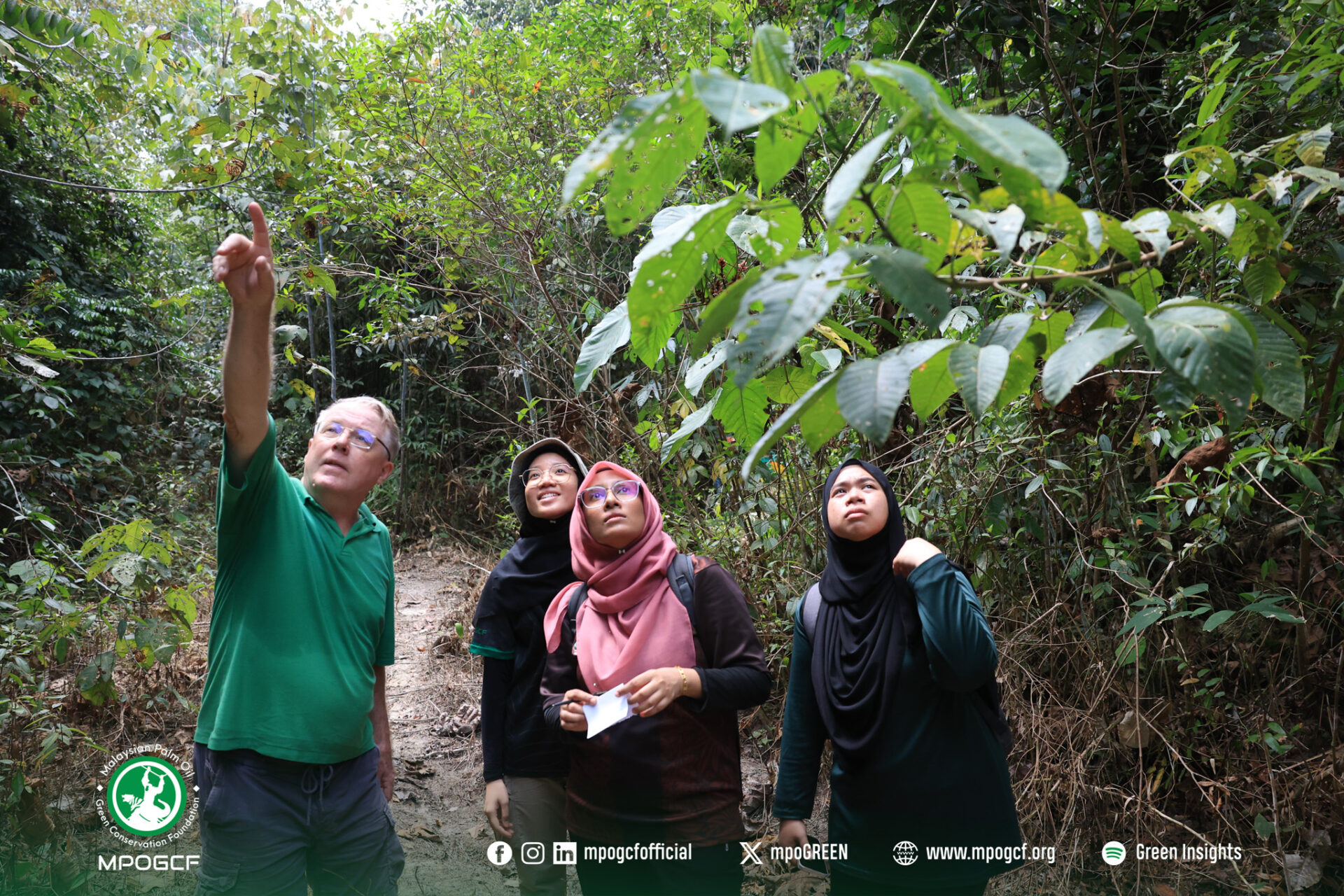
Antara aktiviti lawatan termasuklah pengumpulan tumbuhan di kawasan berhampiran sungai yang terletak dalam fragmen hutan bersebelahan ladang sawit. Fragmen hutan ini penting sebagai habitat semula jadi yang menyokong pertumbuhan spesies tumbuhan asli (native plant species) serta berfungsi sebagai tempat perlindungan (refugia) yang membantu mengekalkan kelangsungan biodiversiti tempatan dalam landskap sawit.Antara penemuan utama termasuk pelbagai spesies herba, pokok renek dan pokok hutan tropika daripada famili seperti Rubiaceae, Zingiberaceae dan Dipterocarpaceae yang mencerminkan kekayaan serta kepelbagaian flora tempatan di kawasan tersebut.
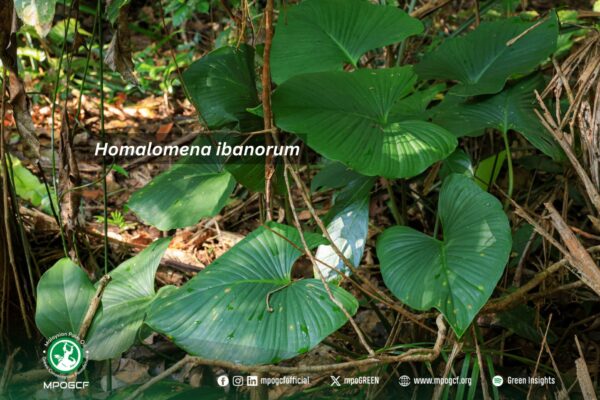
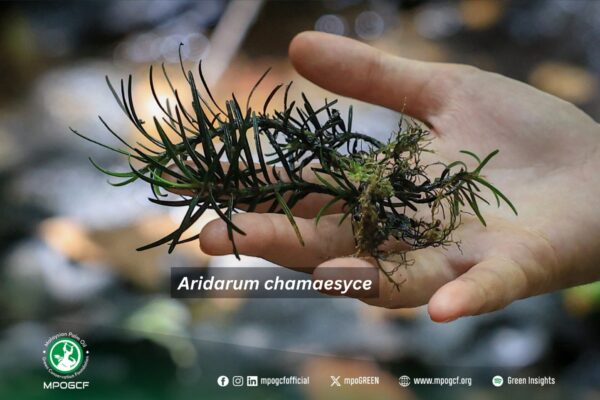
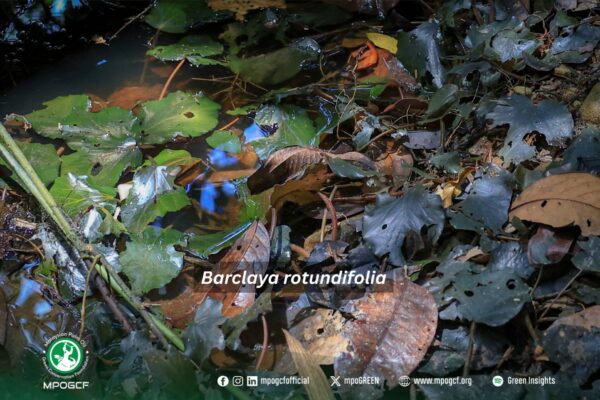
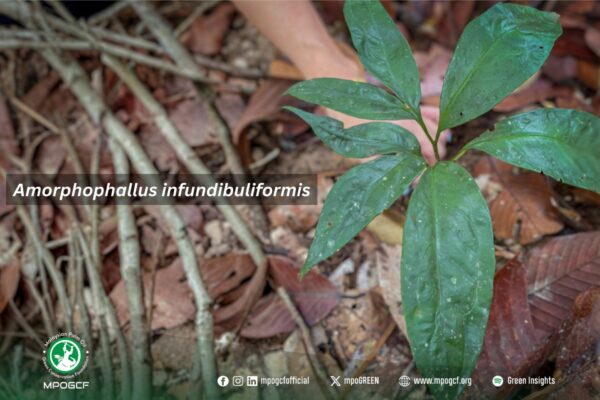
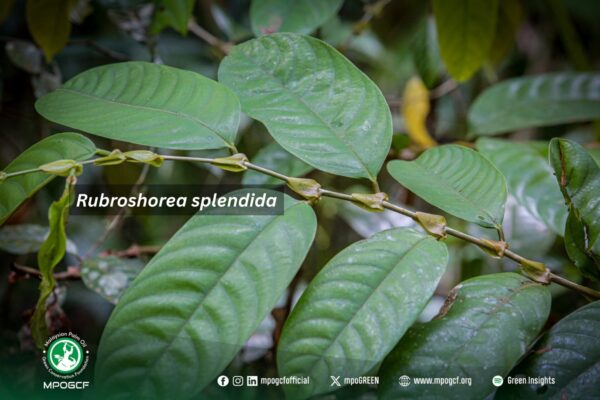
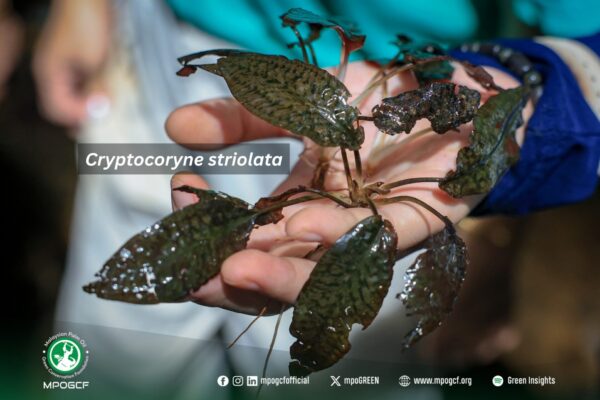
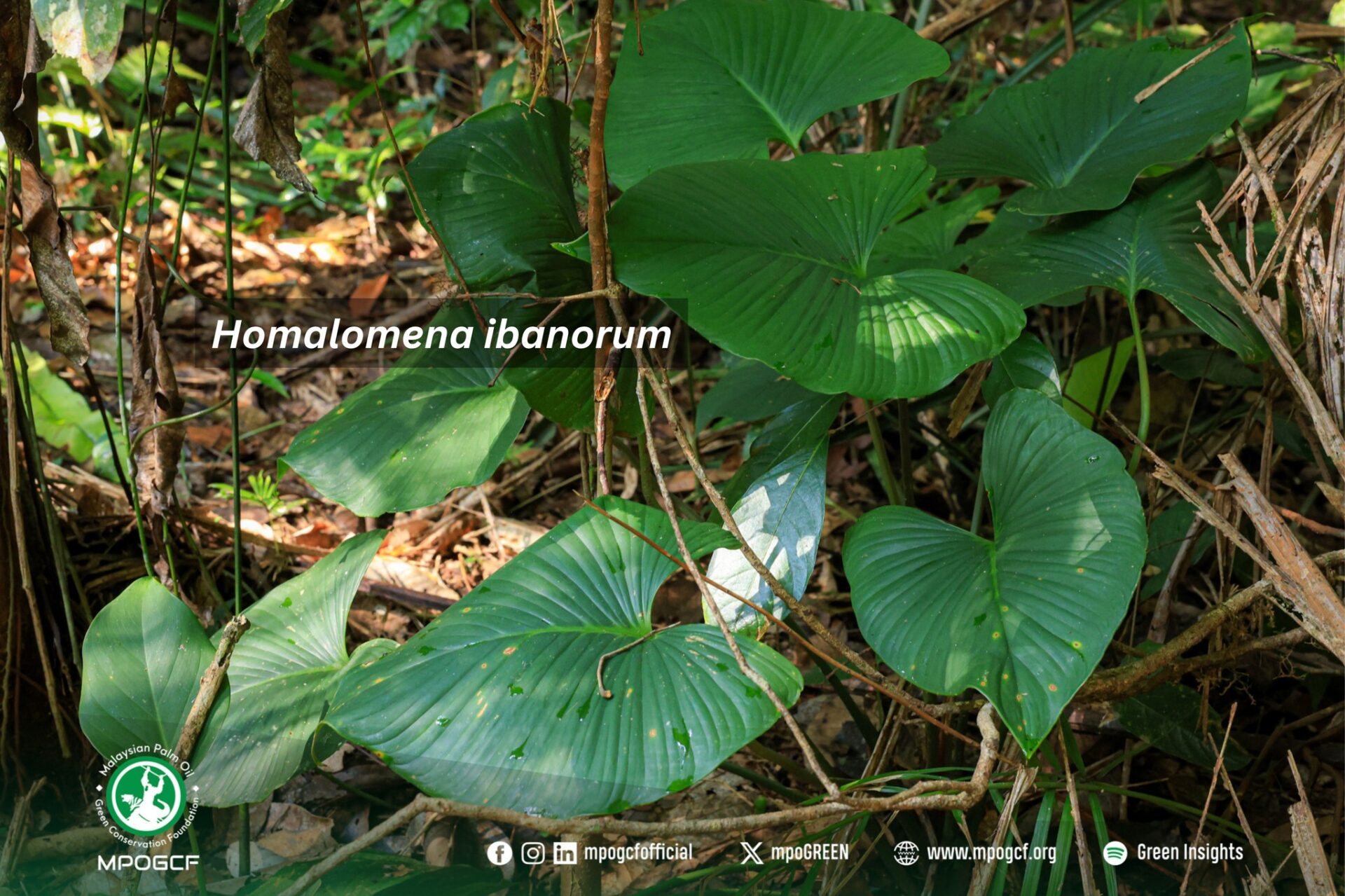
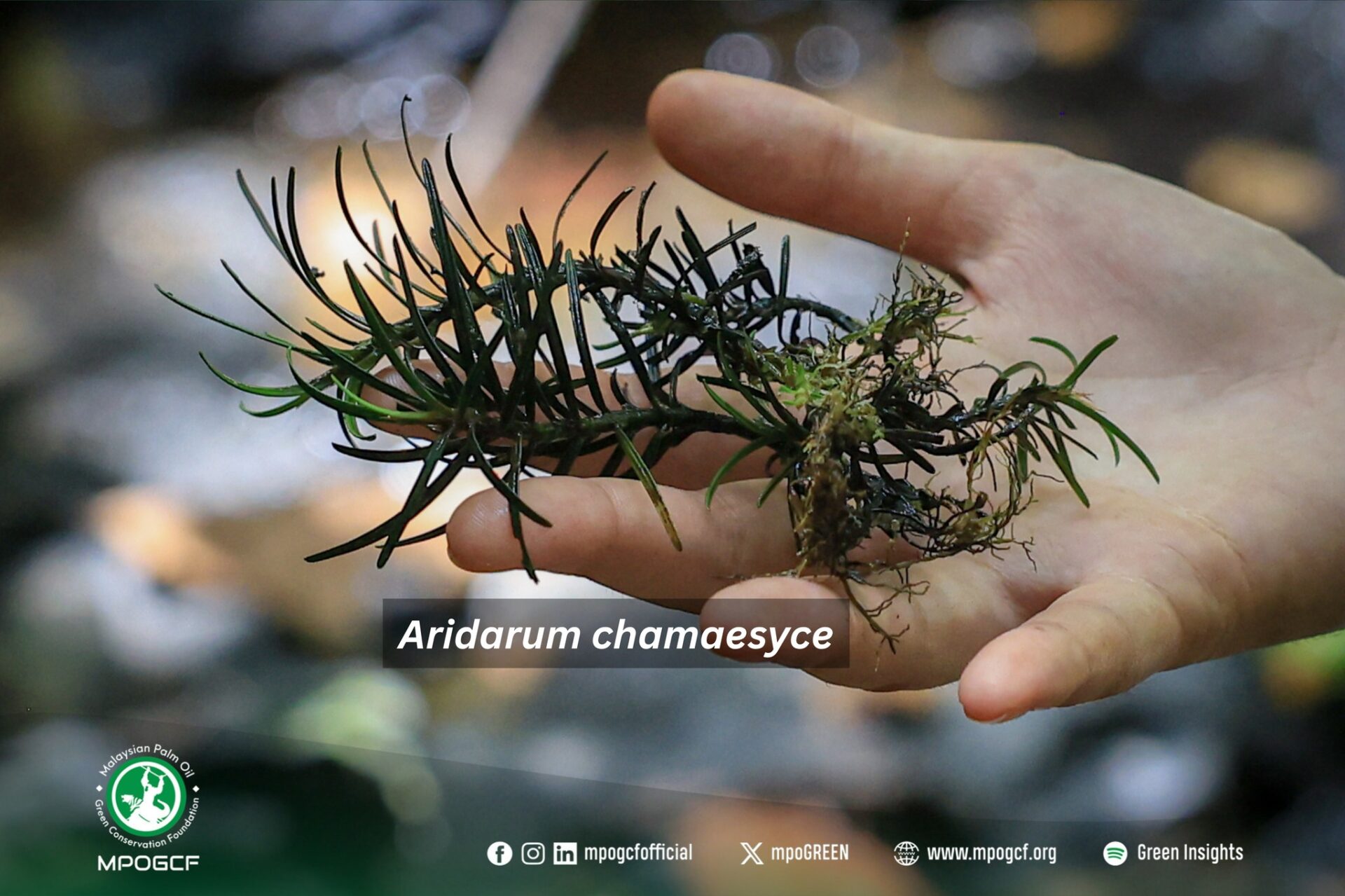
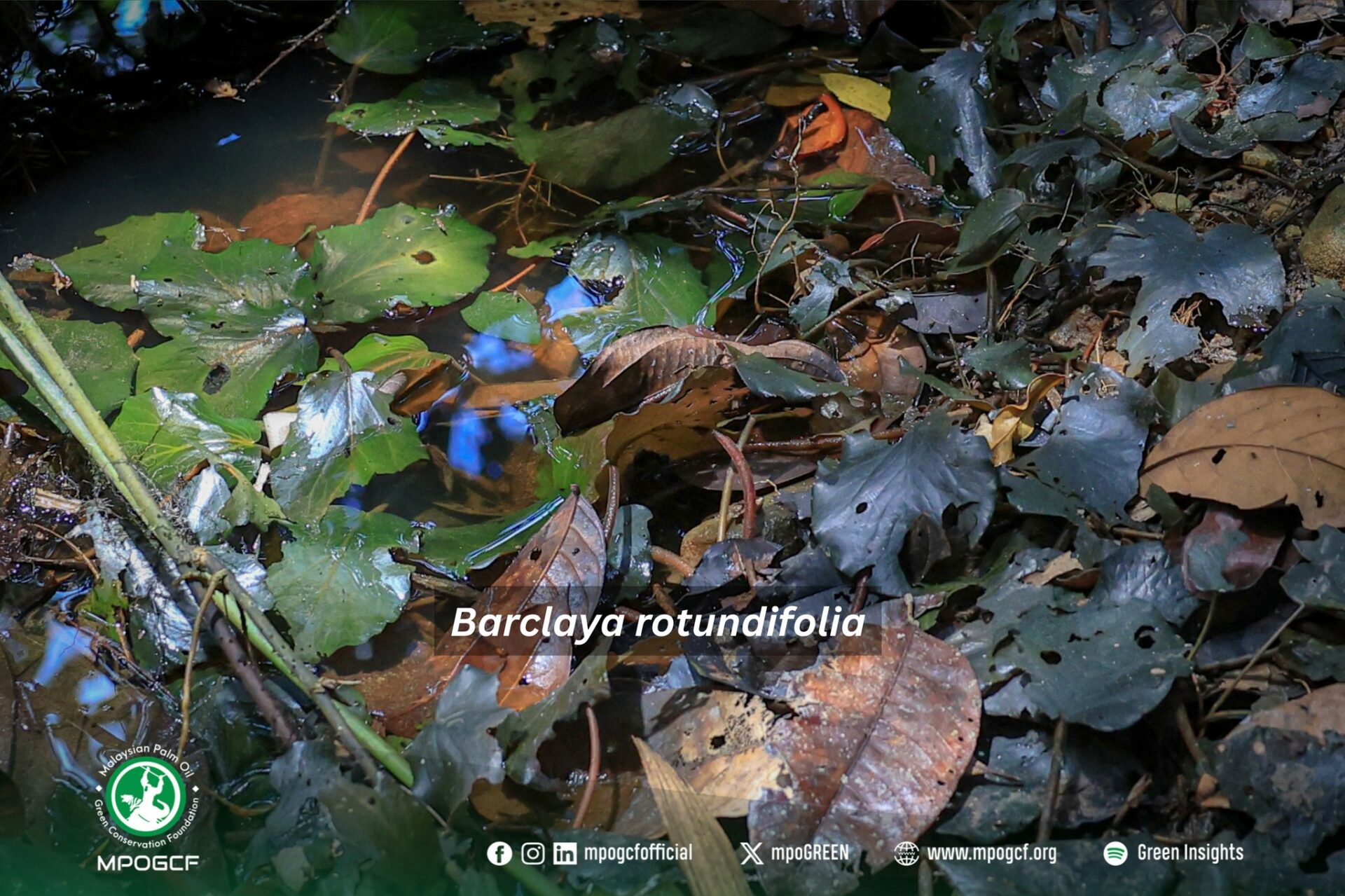
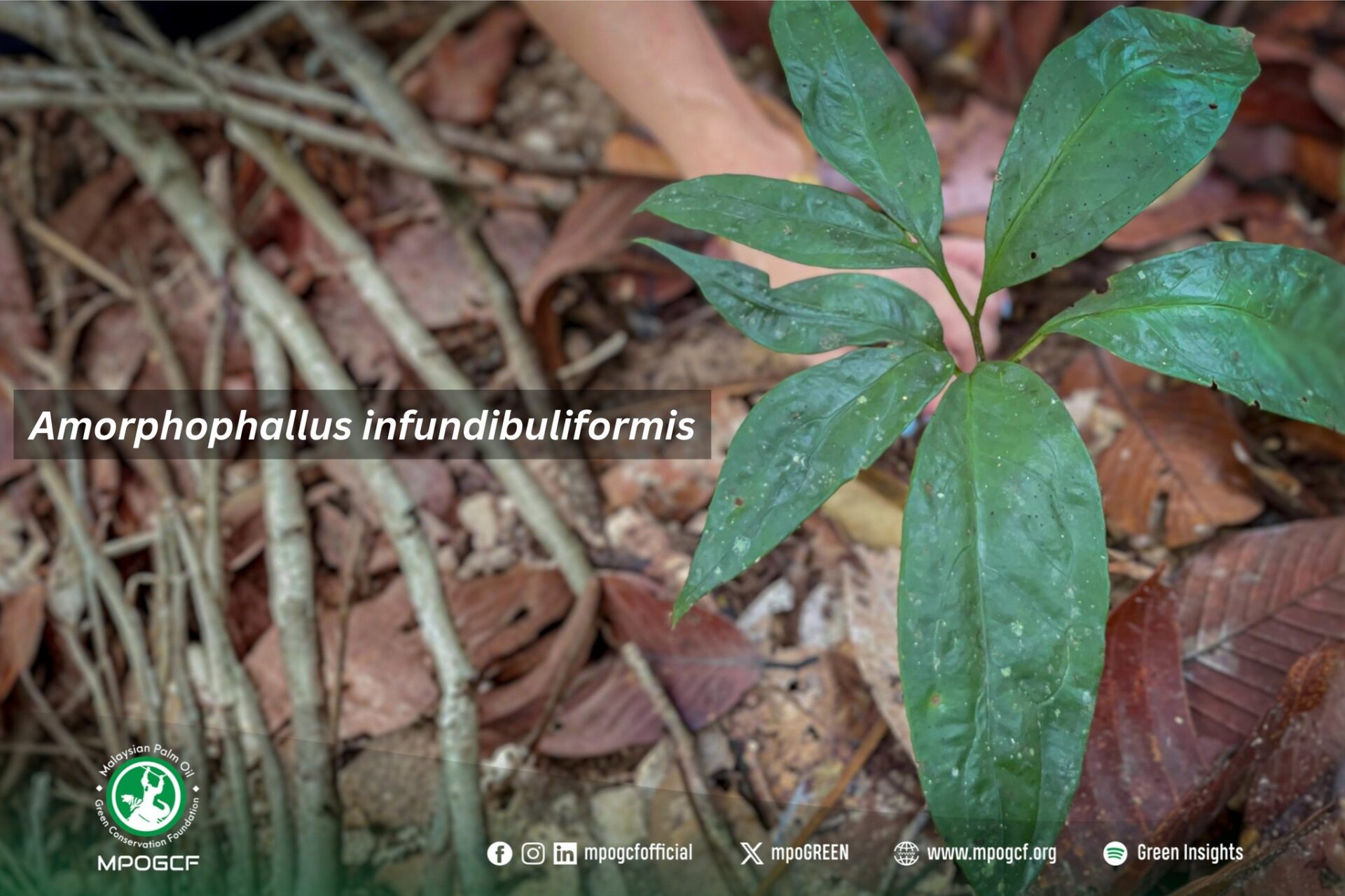
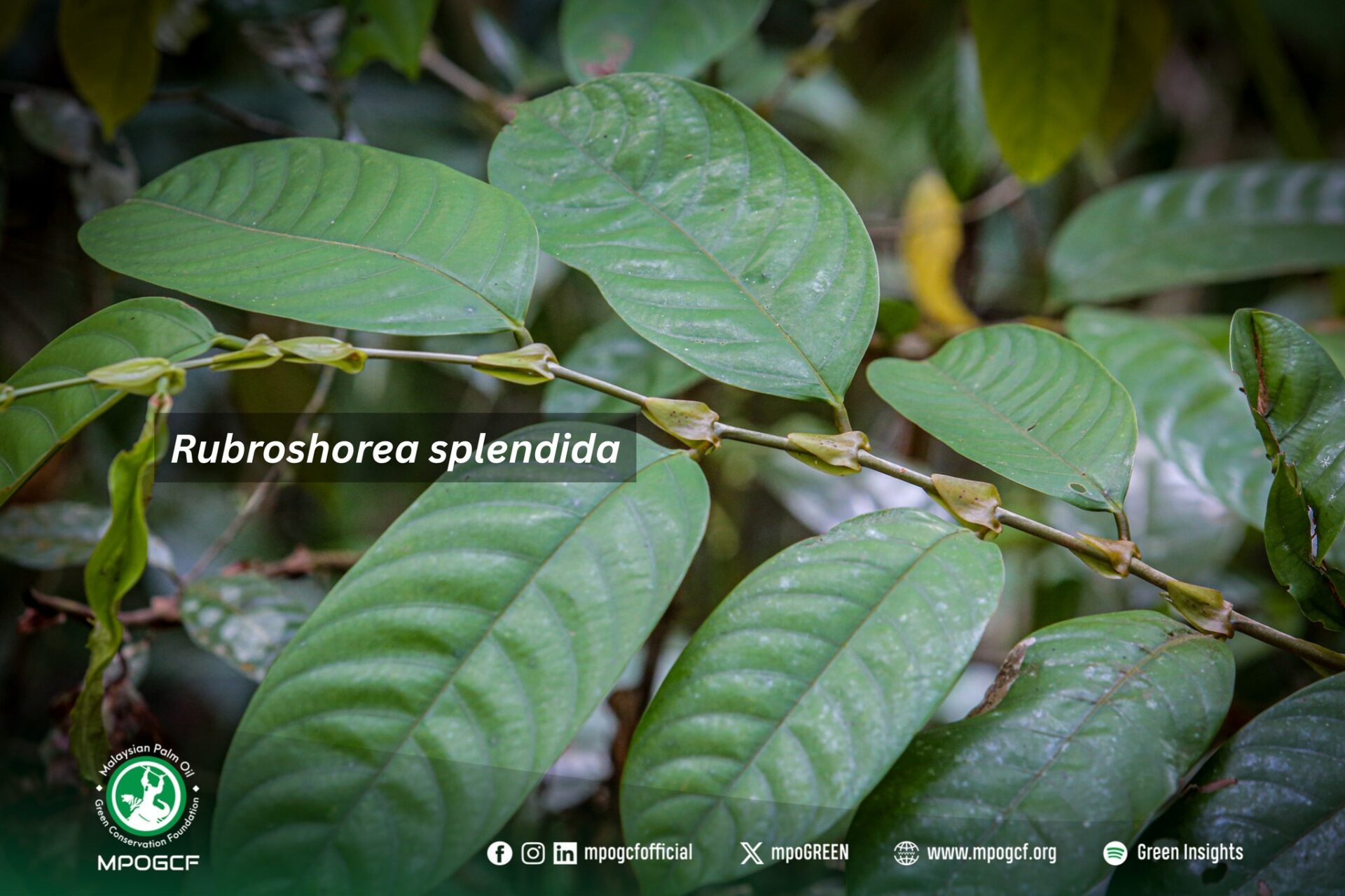
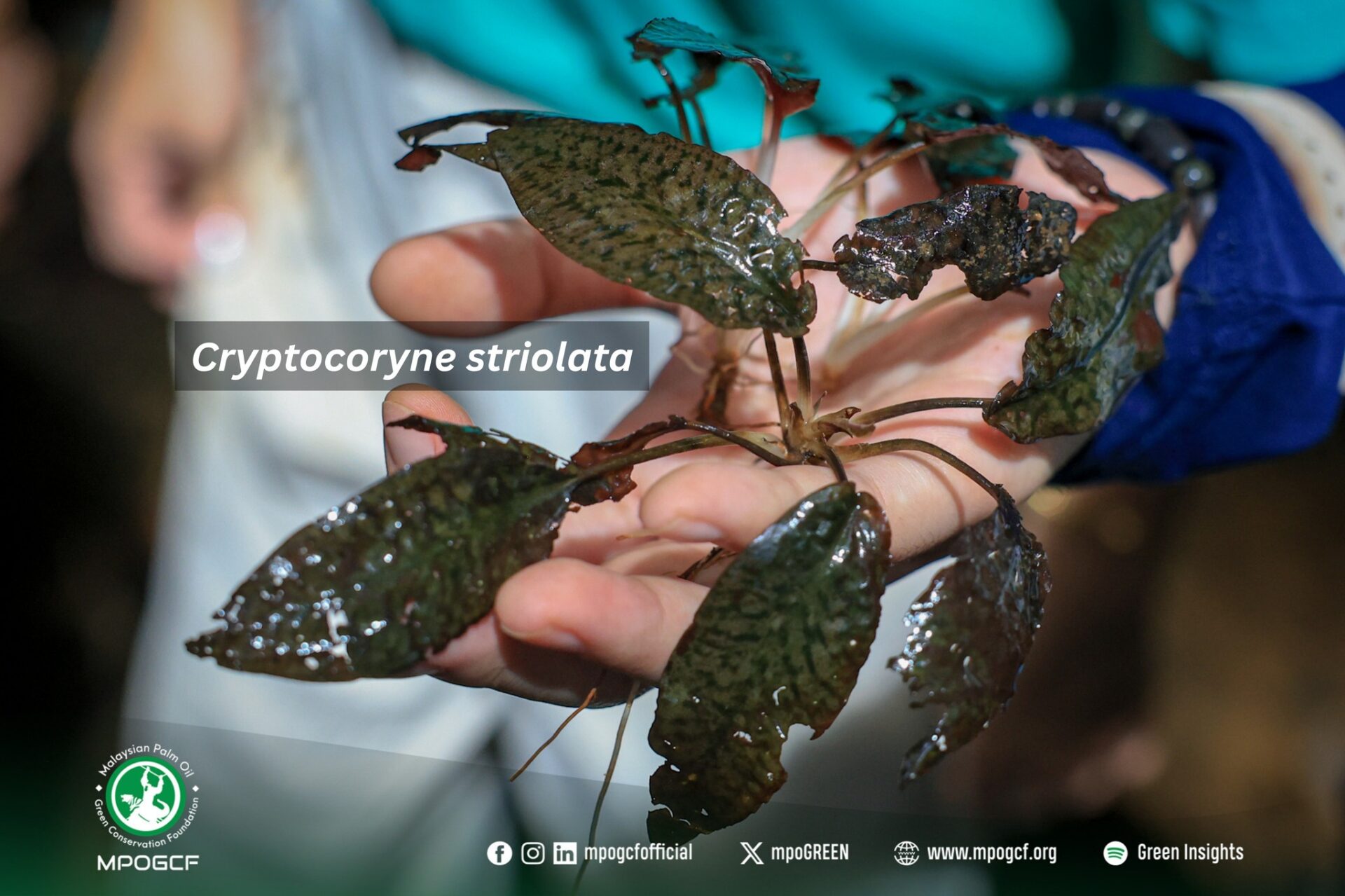
Pihak UNIMAS turut menjelaskan bahawa sebahagian daripada spesies tumbuhan yang ditemui merupakan spesies endemik, iaitu hanya terdapat di kawasan tertentu dan tidak ditemui secara meluas di tempat lain. Antara spesies endemik yang ditemui adalah Aridarum chamaesyce, Barclaya rotundifolia, Cryptocoryne striolata, Rubroshorea splendida, Homalomena ibanorum dan Amorphophallus infundibuliformis. Penemuan ini menunjukkan kepentingan pemeliharaan fragmen hutan sebagai habitat semula jadi yang berperanan sebagai perlindungan kepada biodiversiti tempatan.
Lawatan ini mengukuhkan lagi komitmen MPOGCF dalam memelihara biodiversiti dan menyokong pengurusan landskap kelapa sawit secara mampan.
______
Report by Dr. Nur Fatin Khodri, Conservation and Sustainability Executive
MPOGCF conducted a working visit for the project “Forest Fragment Mosaics within Small-scale Oil Palm Plantations Function as Native Plant Species’ Refugia” in Ulu Sarikei and Debak, Sarawak from 30 March to 1 April 2026. The visit was also attended by Prof. Dr. Wong Sin Yeng and Gina Elisa Kyntha Anak Richard from the Institute of Biodiversity and Environmental Conservation (IBEC) UNIMAS, who provided expert guidance in species identification and habitat assessment.
Among the activities carried out during the visit was the collection of plant samples in areas near rivers located within forest fragments adjacent to oil palm plantations. These forest fragments are important as natural habitats that support the growth of native plant species and function as refuge that help sustain local biodiversity within oil palm landscapes.
Key findings include a variety of herbaceous plants, shrubs and tropical forest trees from families such as Rubiaceae, Zingiberaceae, and Dipterocarpaceae, reflecting the richness and diversity of the local flora in the area.
UNIMAS also explained that some of the plant species identified are endemic, meaning they are found only in specific locations and are not widely distributed elsewhere. Among the endemic species recorded are Aridarum chamaesyce, Barclaya rotundifolia, Cryptocoryne striolata, Rubroshorea splendida, Homalomena ibanorum and Amorphophallus infundibuliformis. These findings highlight the importance of conserving forest fragments as natural habitats that serve as refuges for local biodiversity.
This visit further strengthens MPOGCF’s commitment to conserving biodiversity and supporting sustainable oil palm landscape management.